We investigate the molecular and cellular mechanisms underlying skeletal muscle growth, repair, and aging — with the goal of developing novel therapies that prevent disability and restore function.
Two primary research themes that together illuminate how exercise shapes muscle at the molecular level — and how that knowledge can be harnessed therapeutically.
The α7β1 integrin links laminin outside the muscle fiber to the actin cytoskeleton inside, serving as a critical mechanosensor. Our lab was the first to show that α7 integrin RNA and protein increase in both rodent and human skeletal muscle following eccentric exercise. Using transgenic and knockout mouse models, we demonstrated its role in protecting sarcolemmal integrity and facilitating hypertrophy.
Current efforts probe how the α7β1 complex drives strain-induced growth, and why this mechanism declines with aging and following disuse.
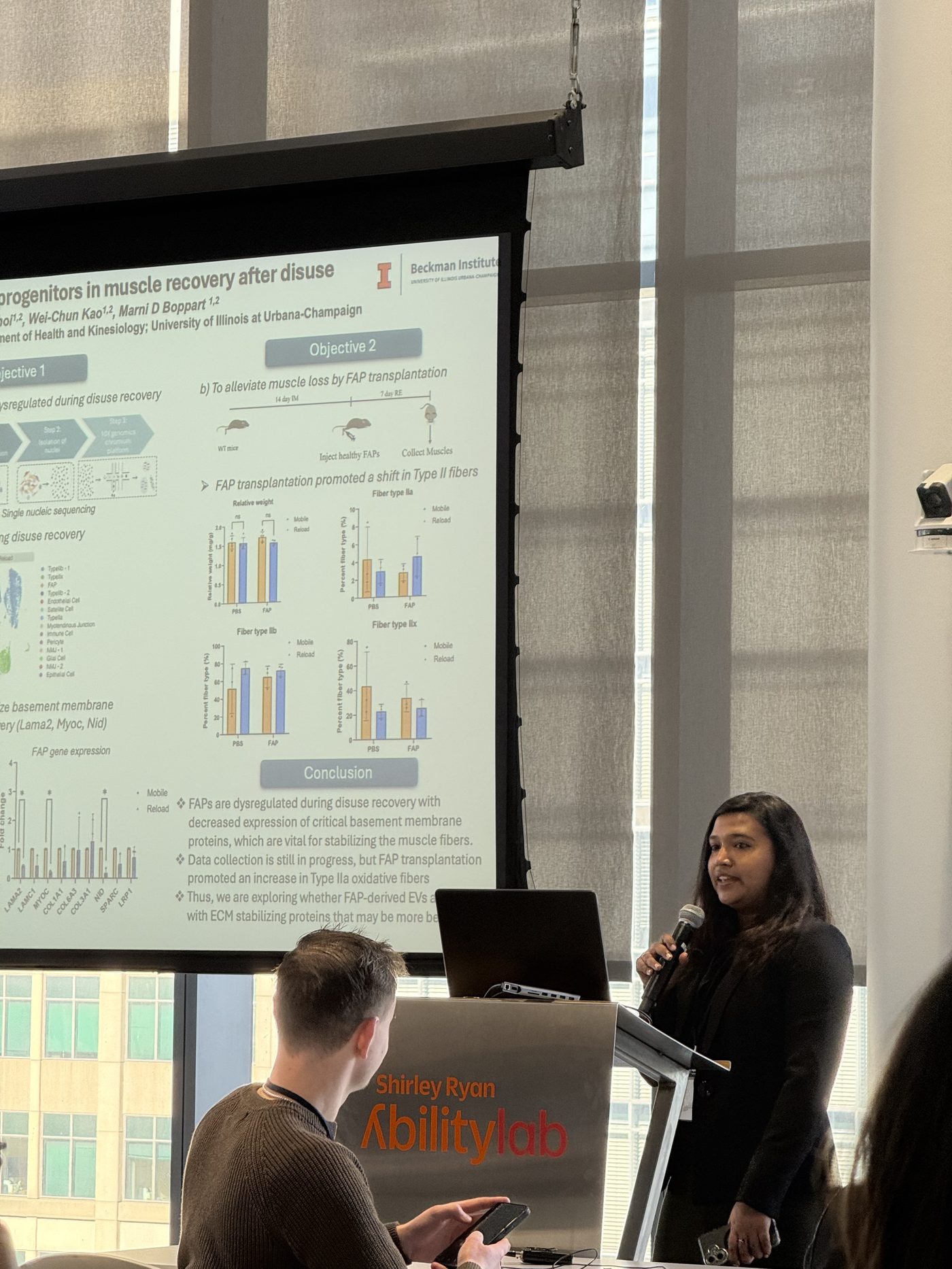
Perivascular stem/stromal cells — pericytes and mesenchymal stem cells — reside in the skeletal muscle niche and respond to mechanical stimuli. We documented exercise-induced expansion of these cells and demonstrated that transplanted pericytes can facilitate repair, myofiber growth, arteriogenesis, and strength recovery in mice.
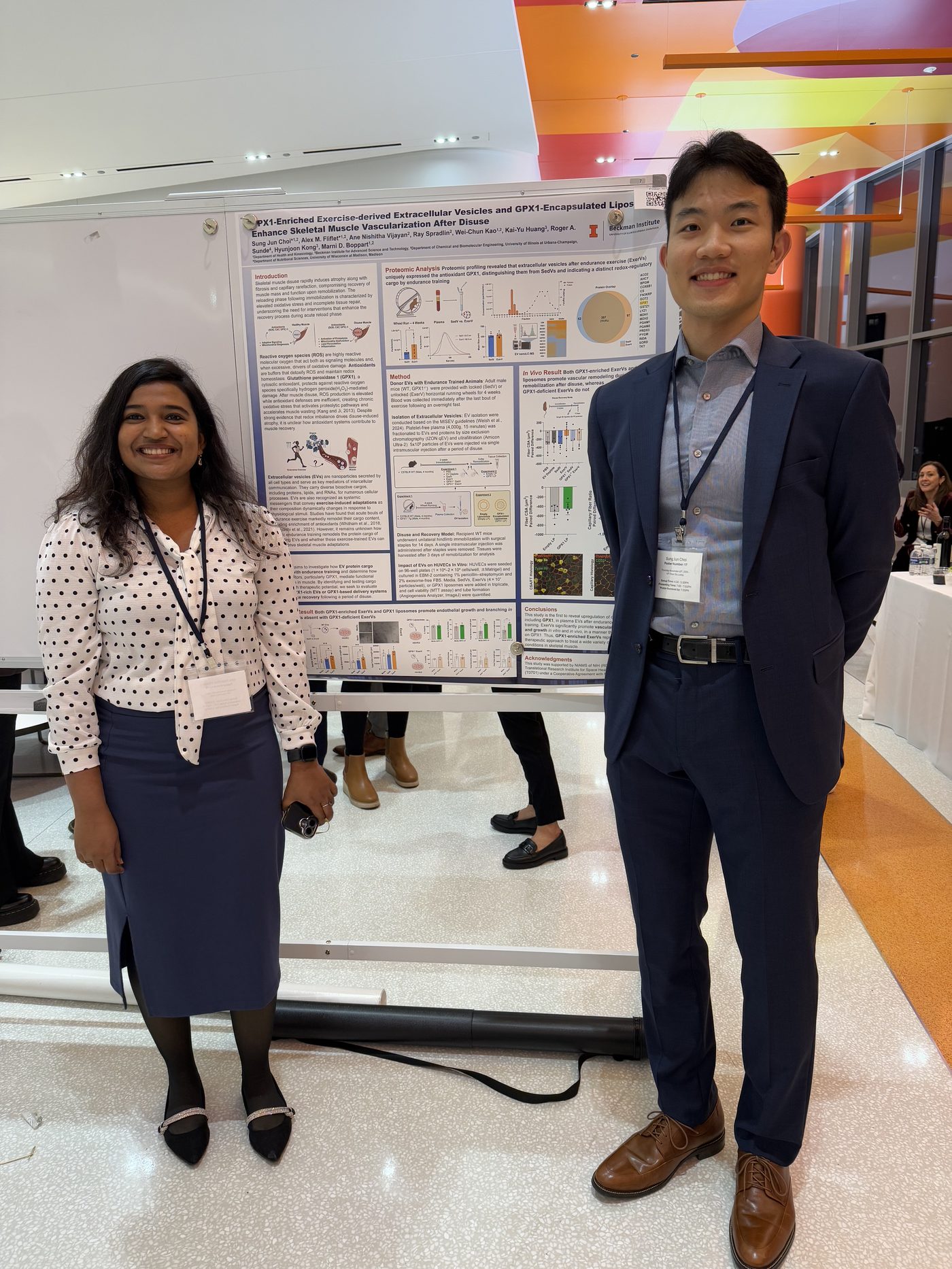
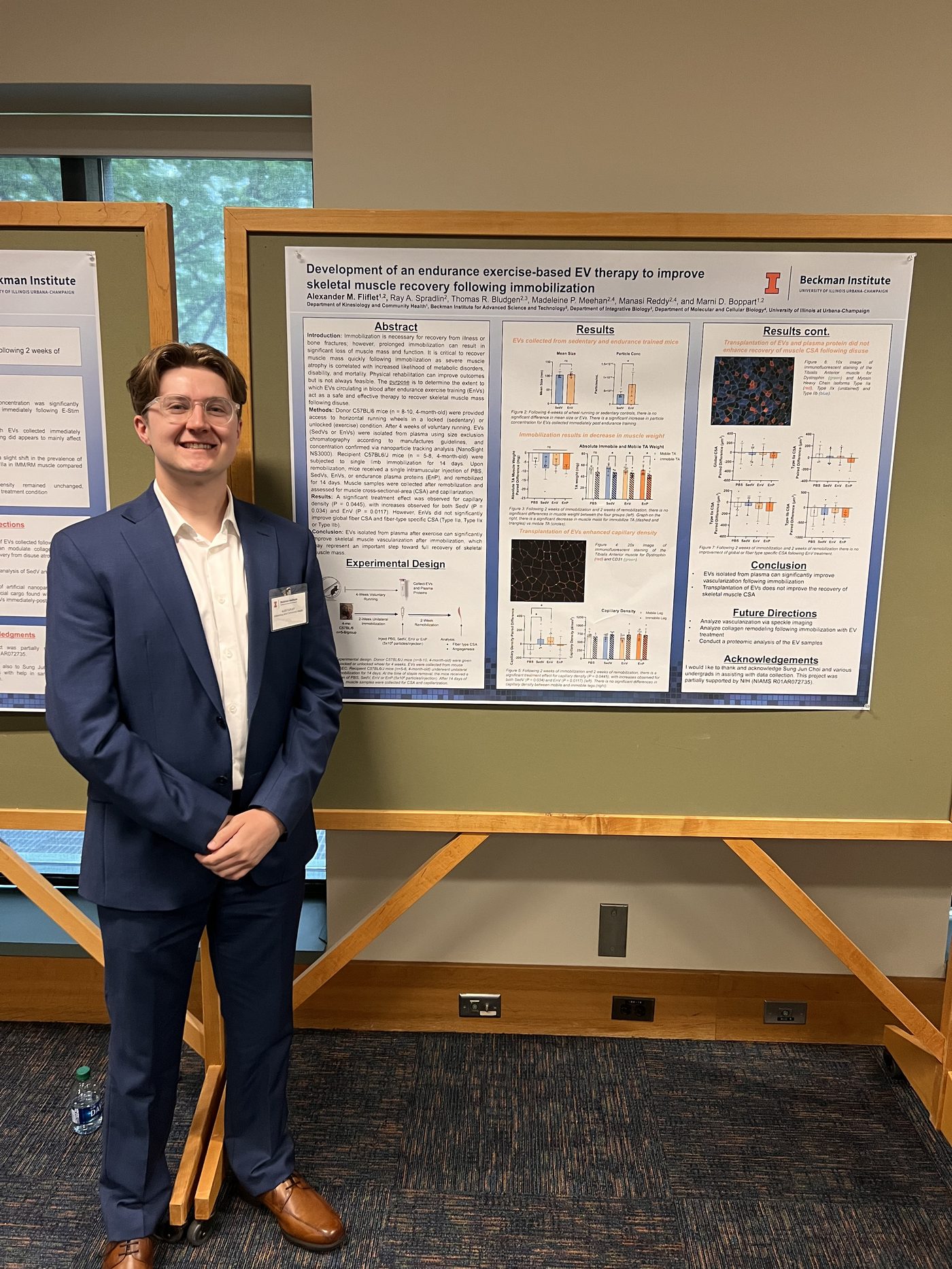
Current efforts use single-cell RNA sequencing to map mechanosensitive mononuclear populations and develop extracellular vesicle (EV)-based therapies to restore aged muscle after immobilization.
Our findings on pericyte-derived extracellular vesicles point toward cell-free therapeutics that could be frozen, stored, and administered to accelerate muscle recovery in injured and aging patients — addressing a critical unmet need in rehabilitation medicine. This work is funded by the National Institute of Arthritis and Musculoskeletal and Skin Diseases (NIAMS) at NIH.
Prof. Boppart obtained her B.S. in Molecular, Cellular and Developmental Biology from the University of New Hampshire and her M.S. in Cell Biology from Creighton University. She received her Sc.D. in Applied Anatomy and Physiology from Boston University, completing research at the Joslin Diabetes Center, Harvard Medical School. Her postdoctoral work was in the Department of Cell and Developmental Biology at UIUC, where she joined the Department of Health and Kinesiology as faculty in 2007.
Saul J. Morse and Anne B. Morgan Professor, Department of Health and Kinesiology
Full-Time Faculty, Beckman Institute for Advanced Science and Technology
Faculty, Carle-Illinois College of Medicine
Affiliate Faculty, Cell and Developmental Biology; Carl R. Woese Institute for Genomic Biology
🐕 Recreation: Running, hiking, traveling with family, playing with Sushi the dog.
📄 Download CV (April 2026) ↗Investigating the extent to which pericytes are required for recovery of muscle mass after disuse.
🏀 Basketball & violin
Investigating cellular origin of circulating EVs after endurance training and their contribution to exercise-induced neuroplasticity.
🏋️ Weightlifting & cooking
🥊 Mixed martial arts, triathlon training, camping
🧶 Crocheting/knitting, running, reading
🏃 Running, reading, traveling, spending time with friends
🏋️ Lifting, working out
🎨 Painting, staying active, trying new foods
🏋️ Weightlifting, running, ceramics
⚽ Soccer, weightlifting, piano
🛹 Running, crocheting, watching movies, skateboarding
Selected peer-reviewed publications from the lab, listed in reverse chronological order.
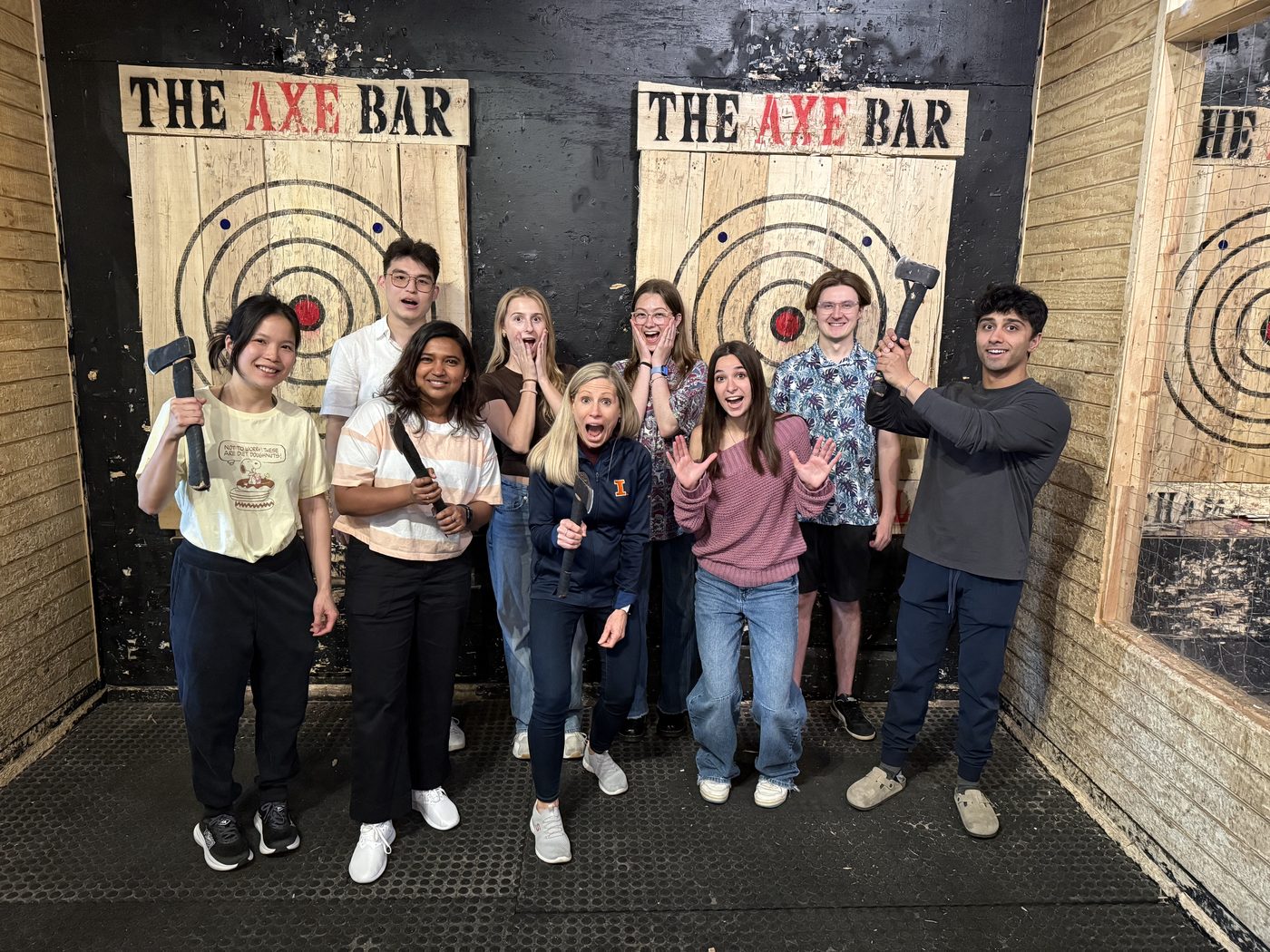
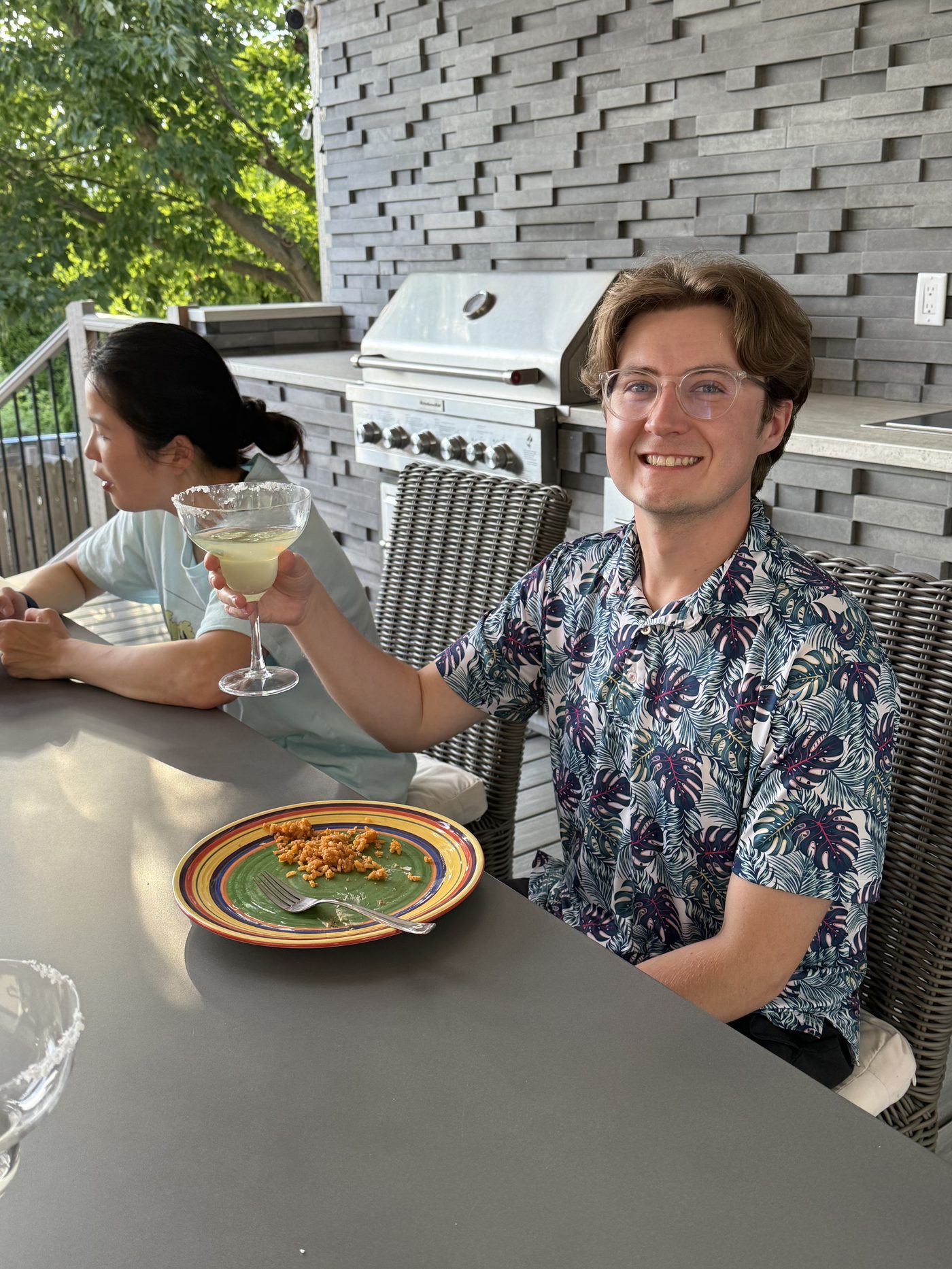
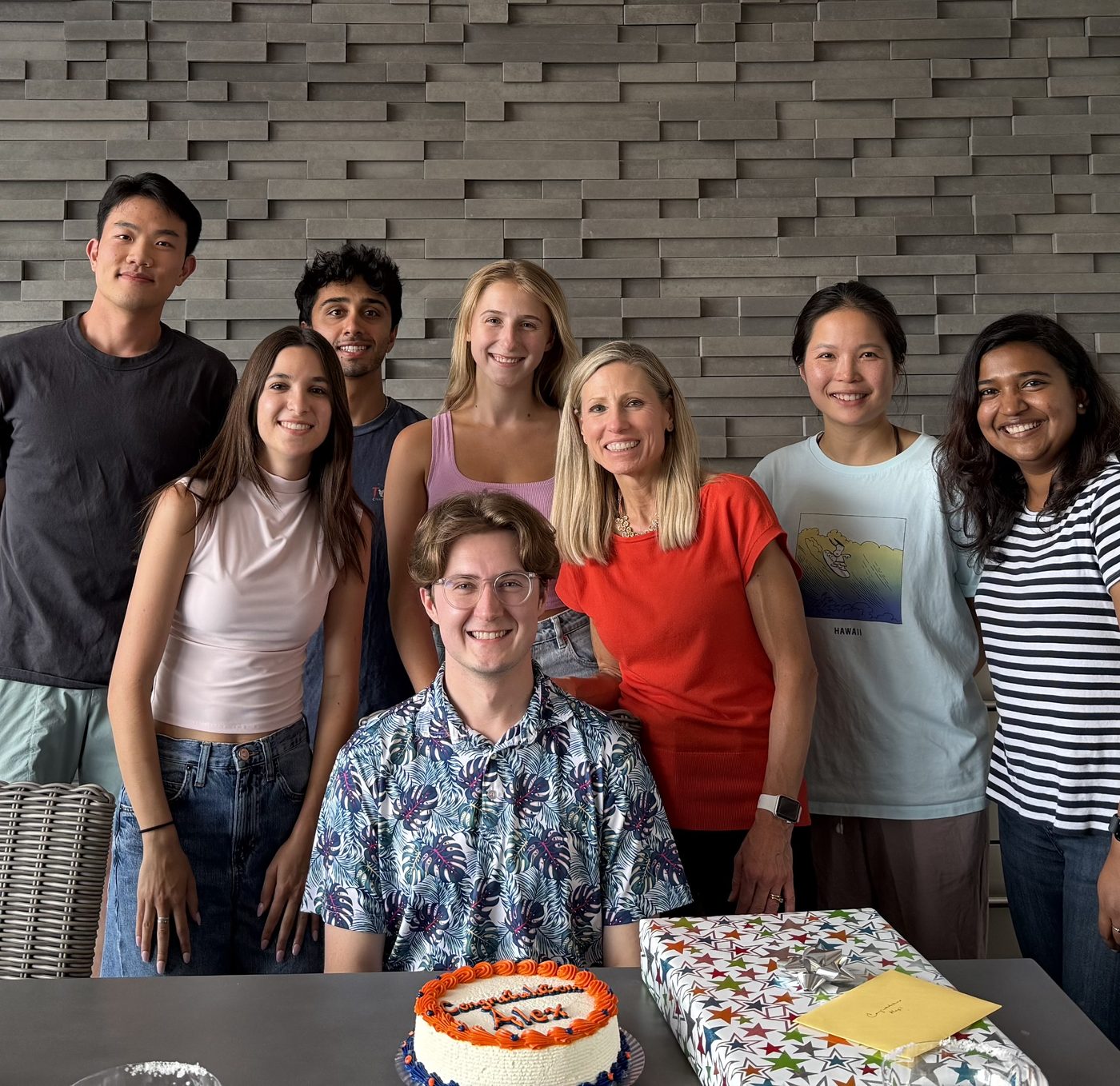
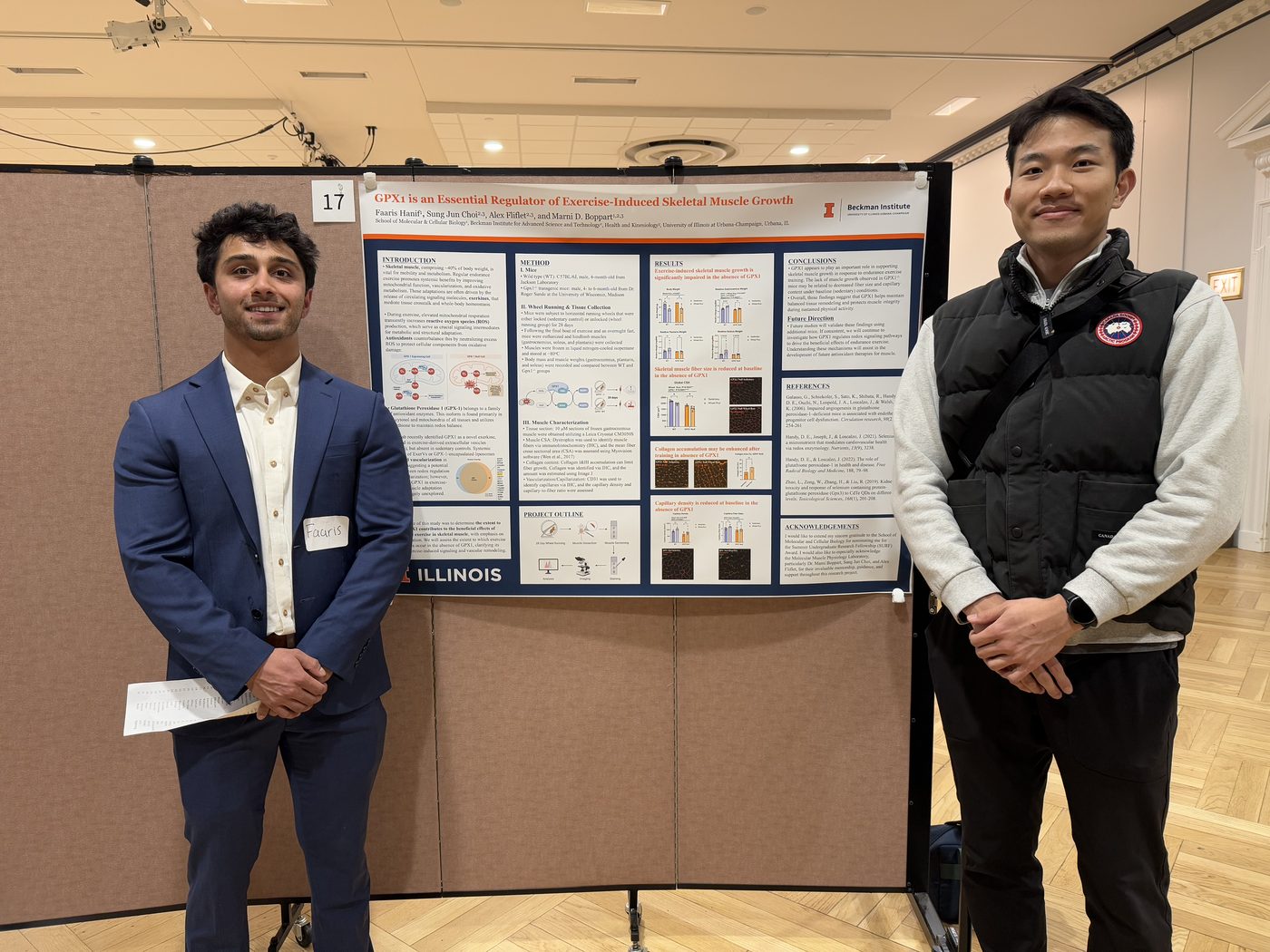
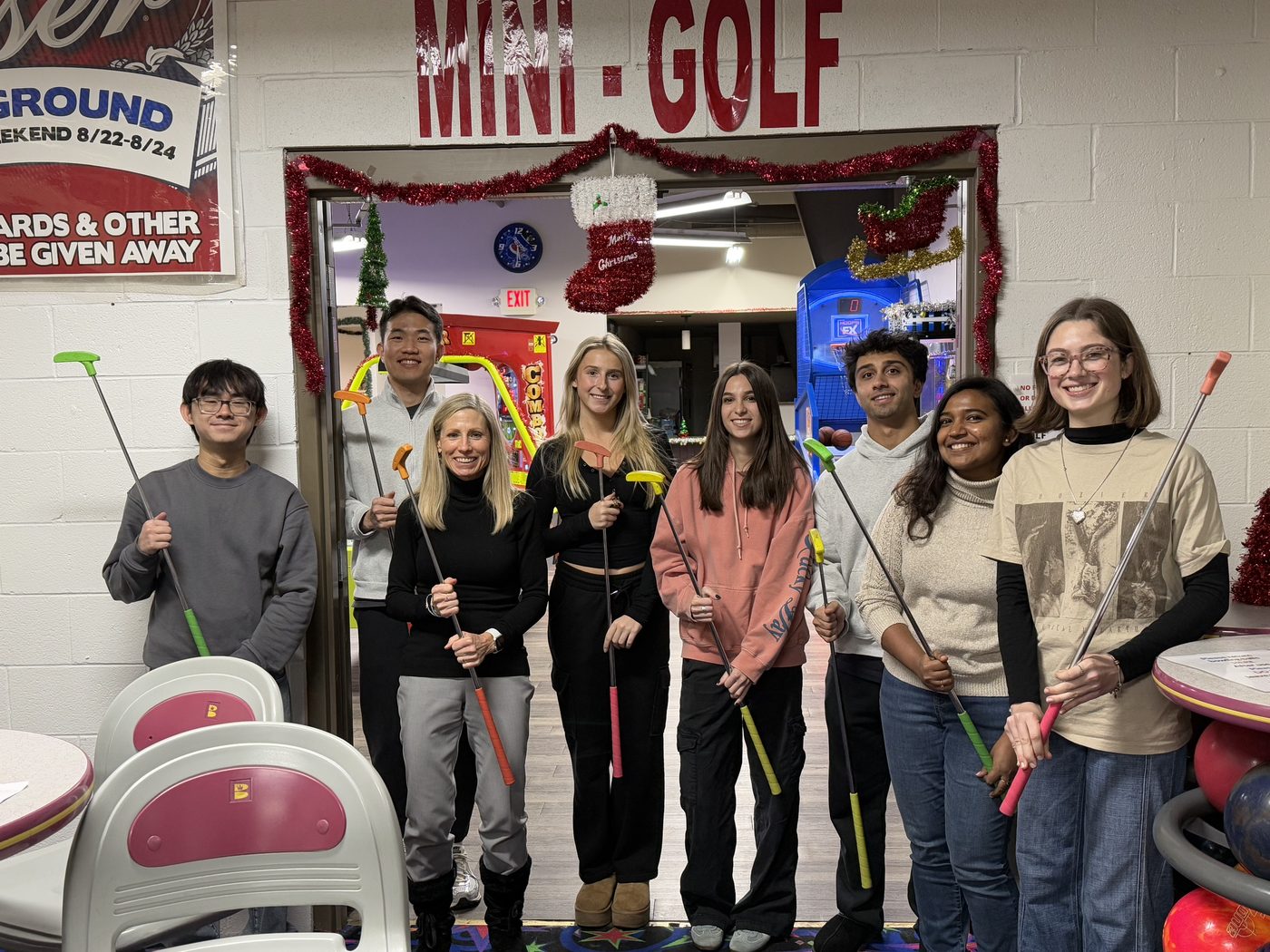
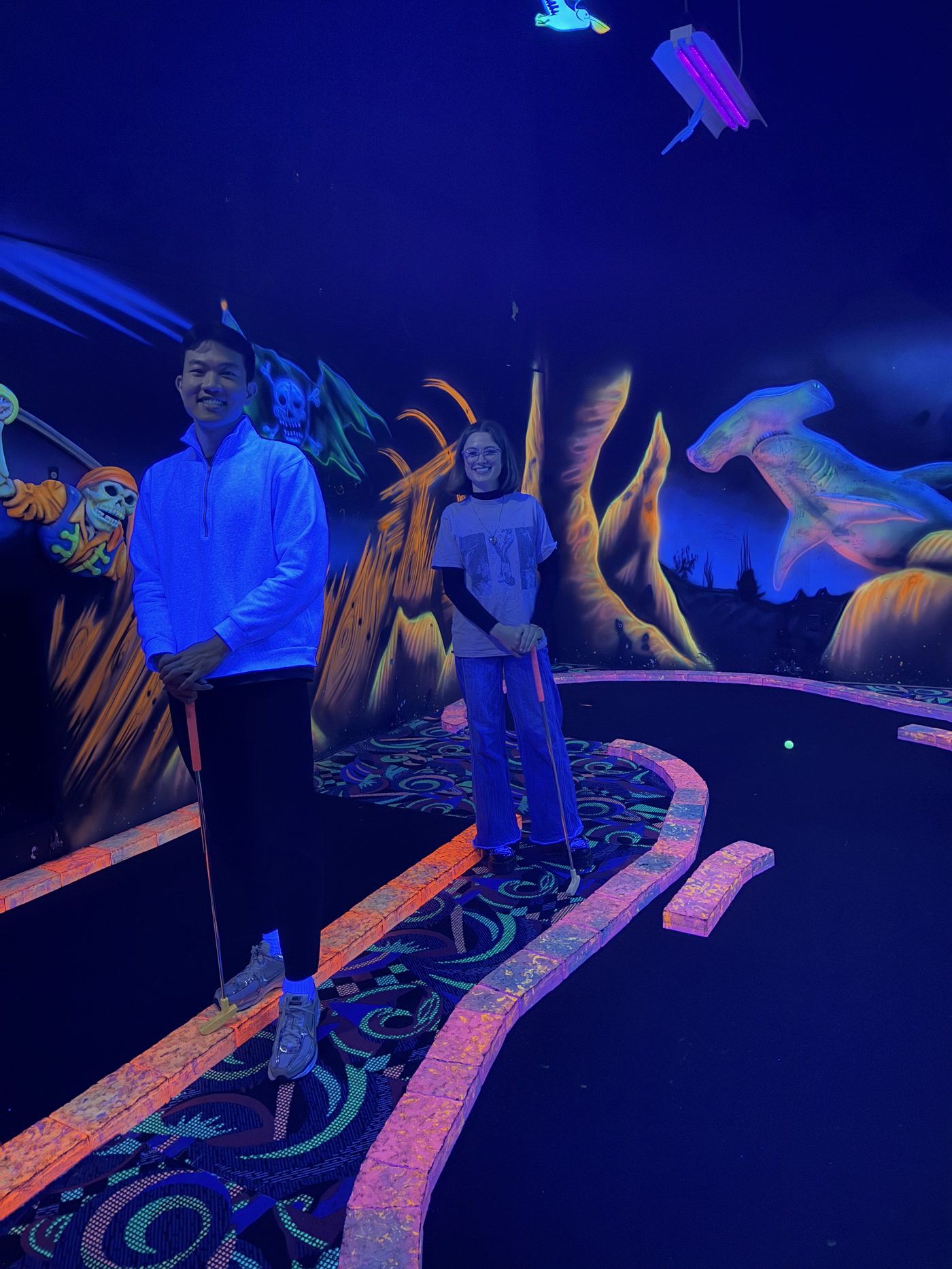
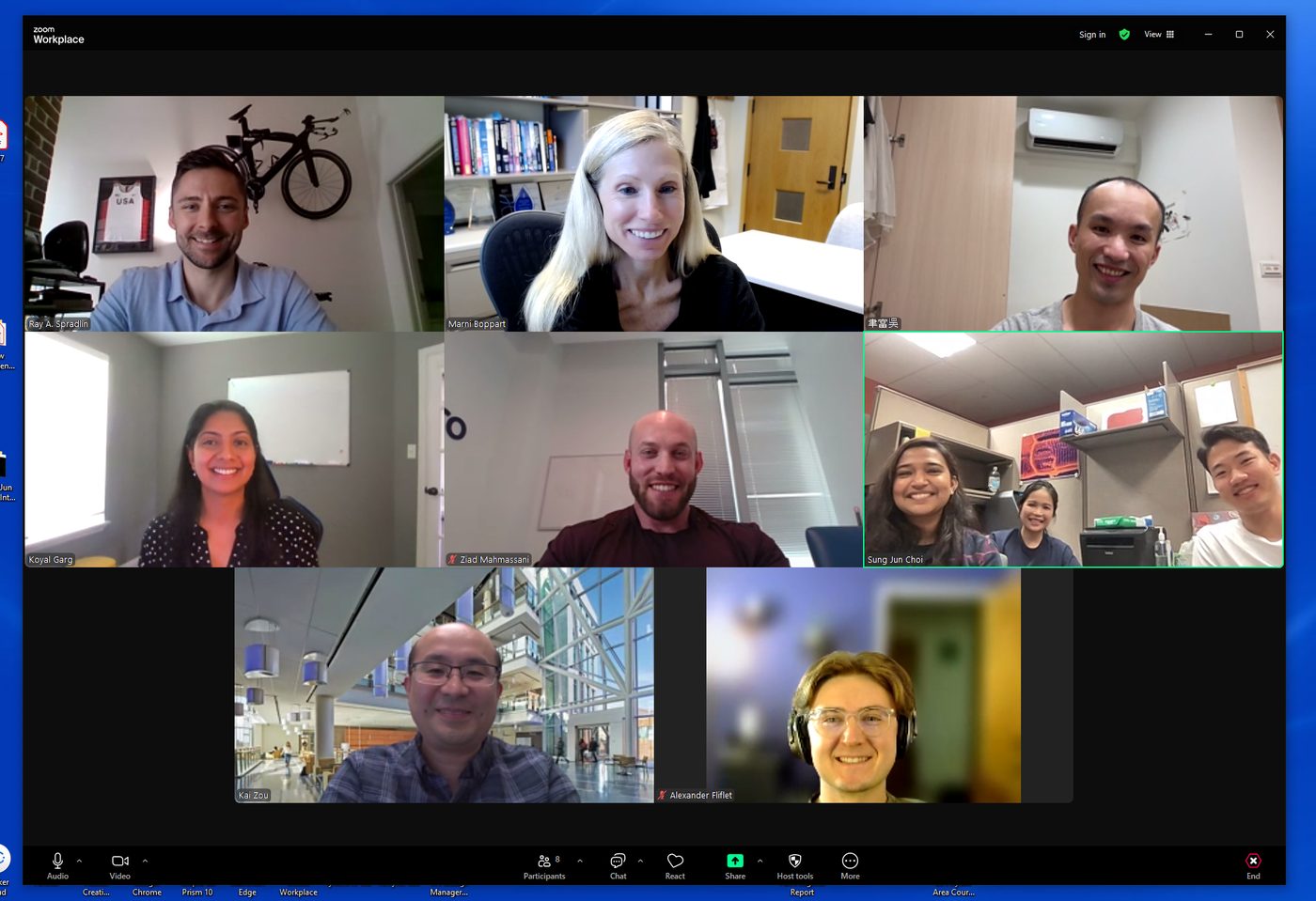
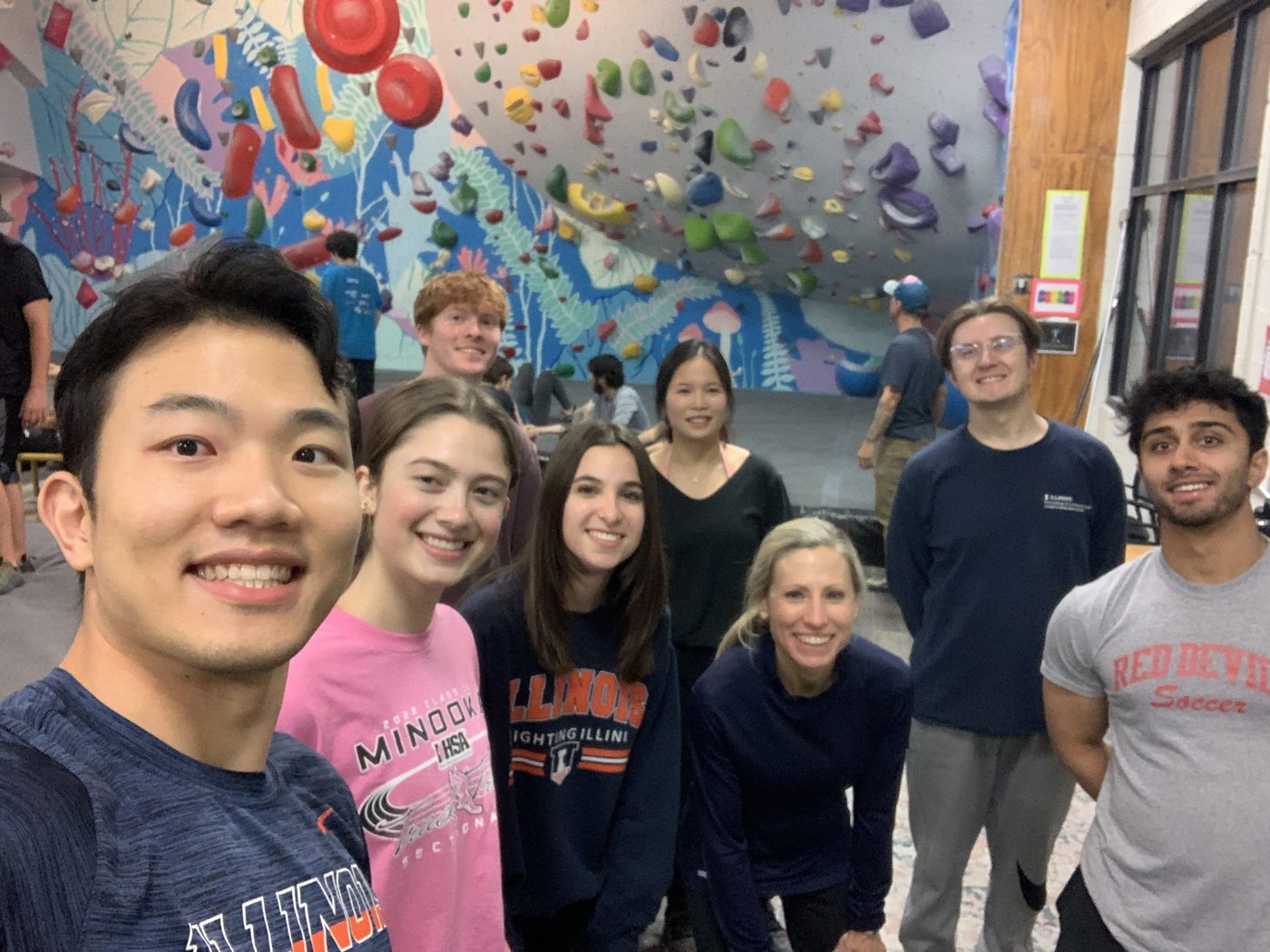
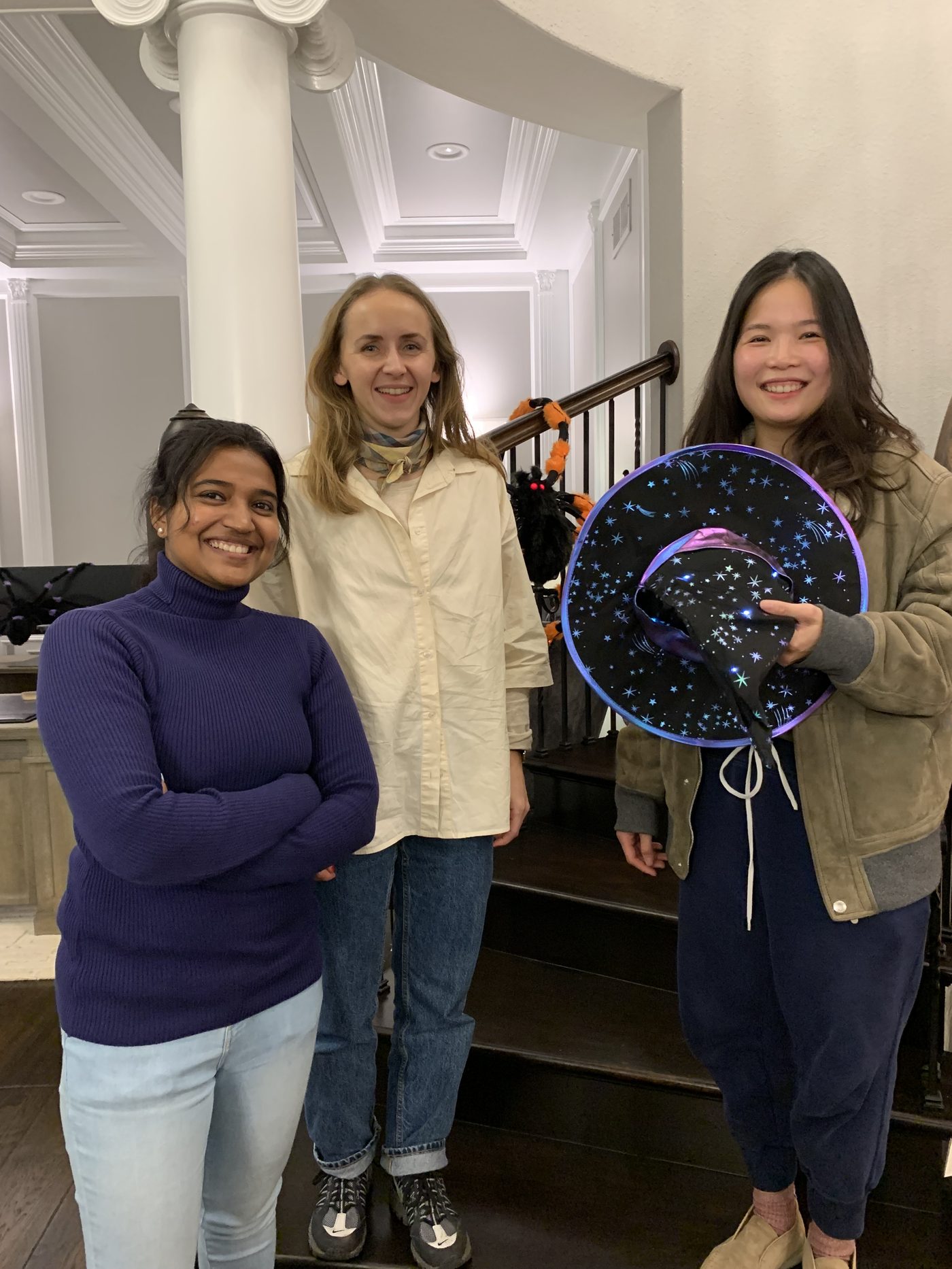
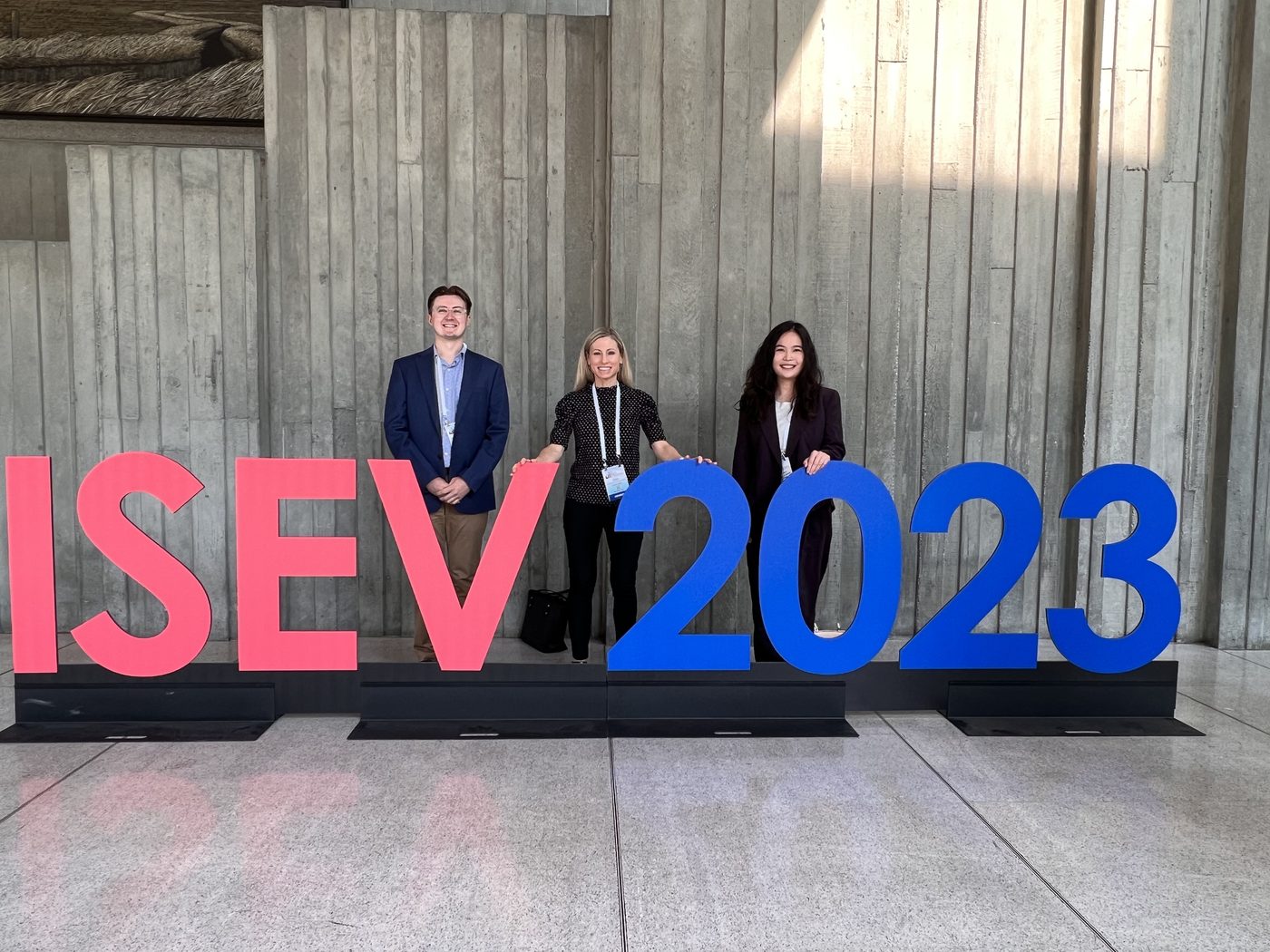
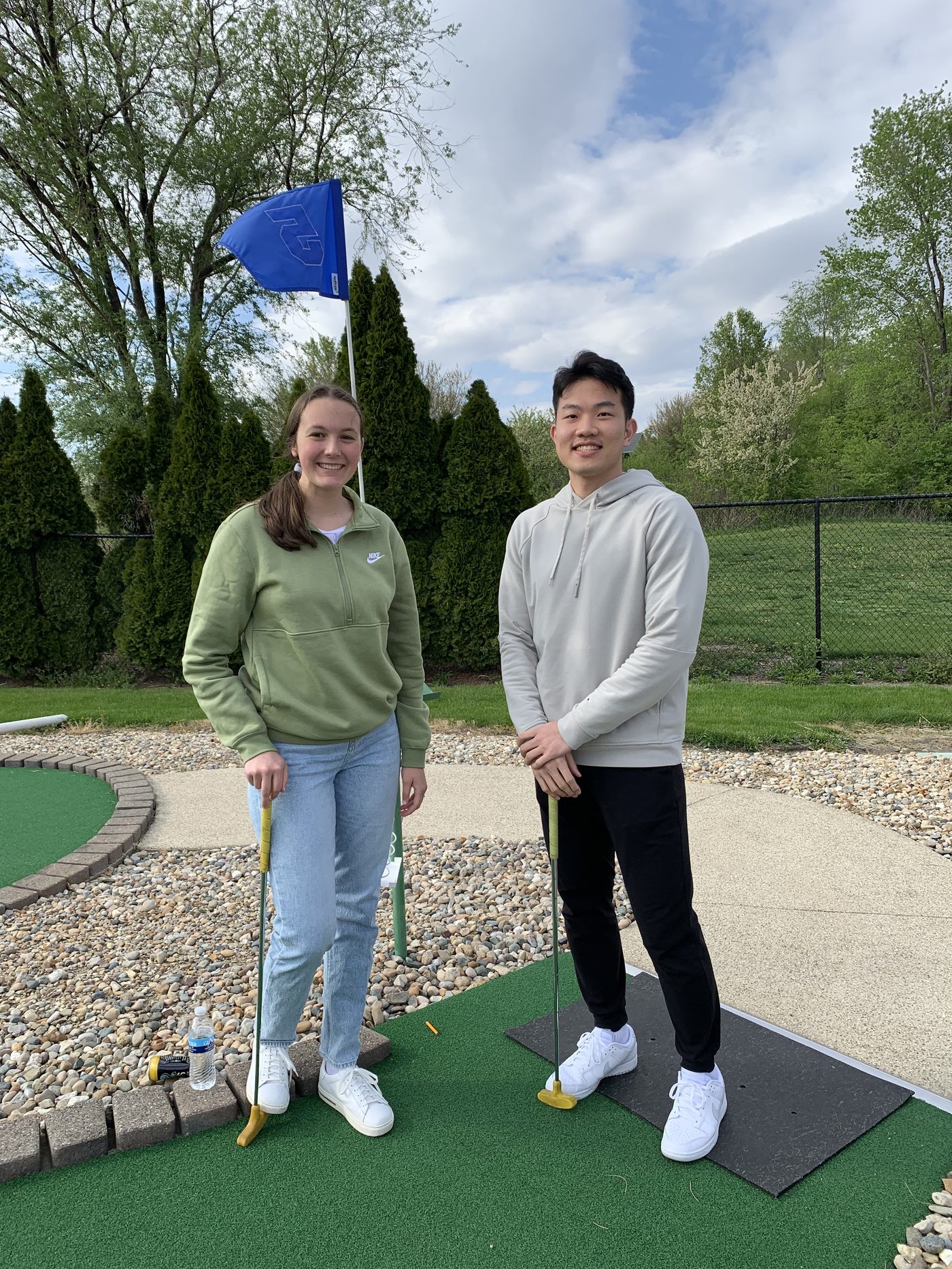
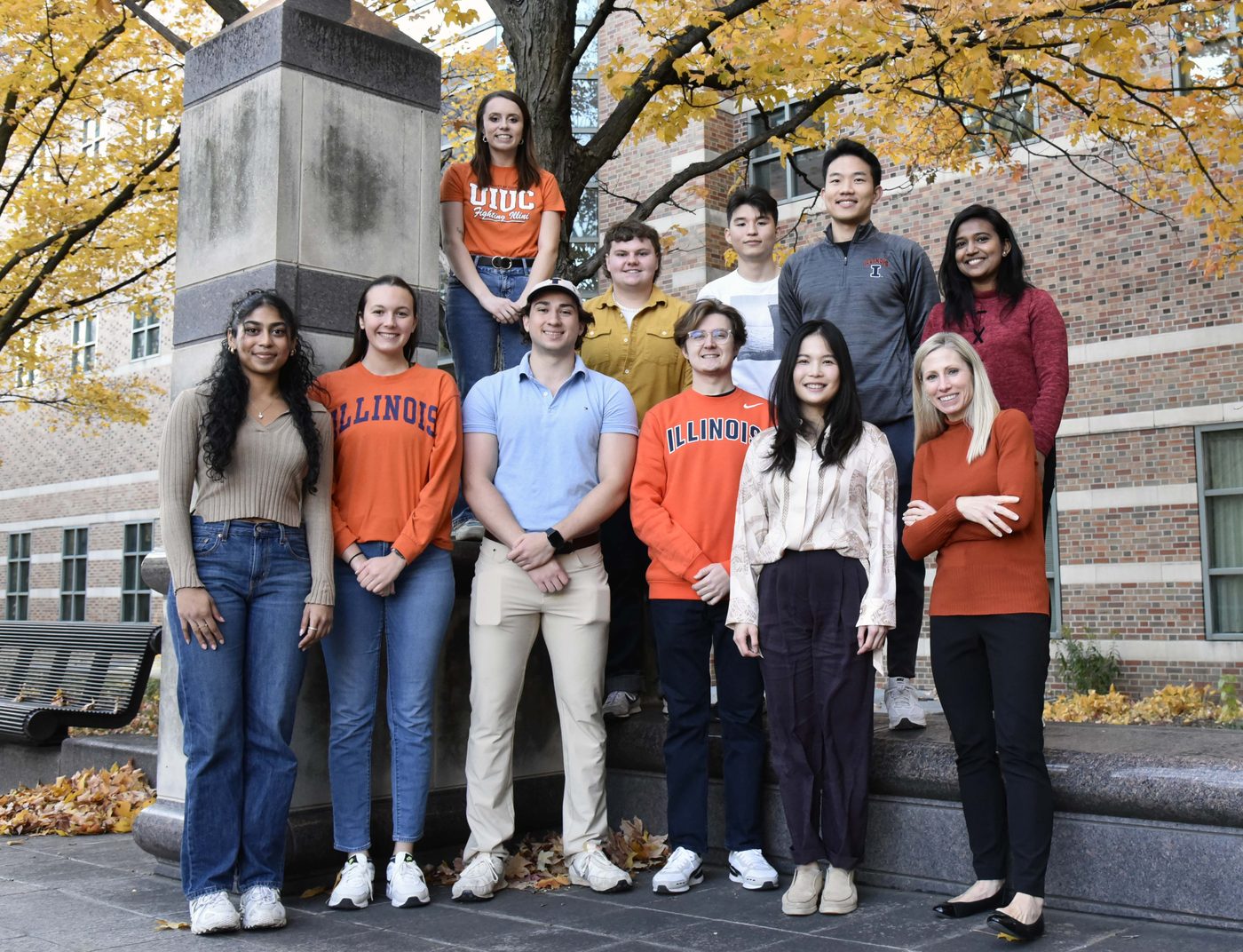
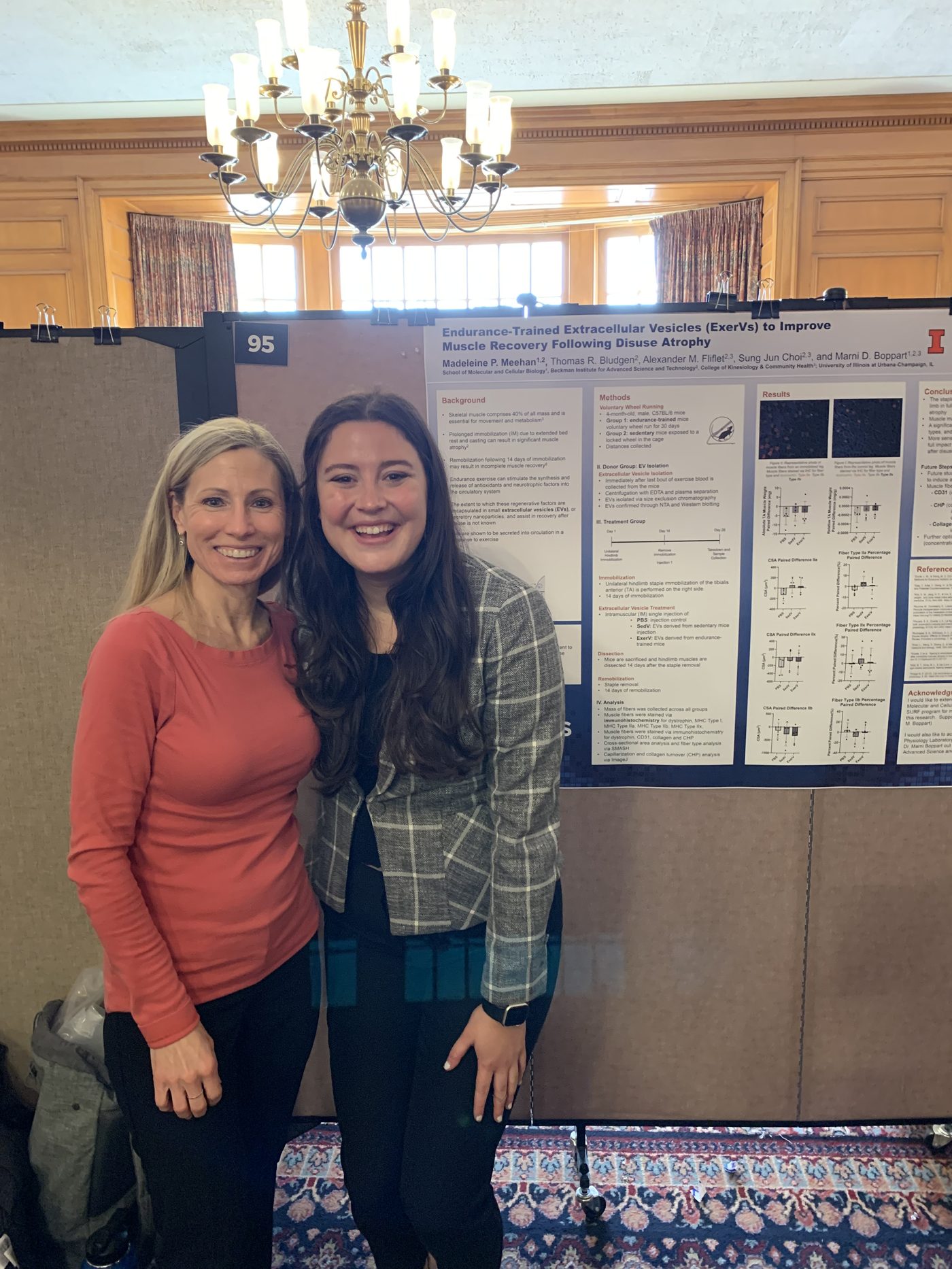
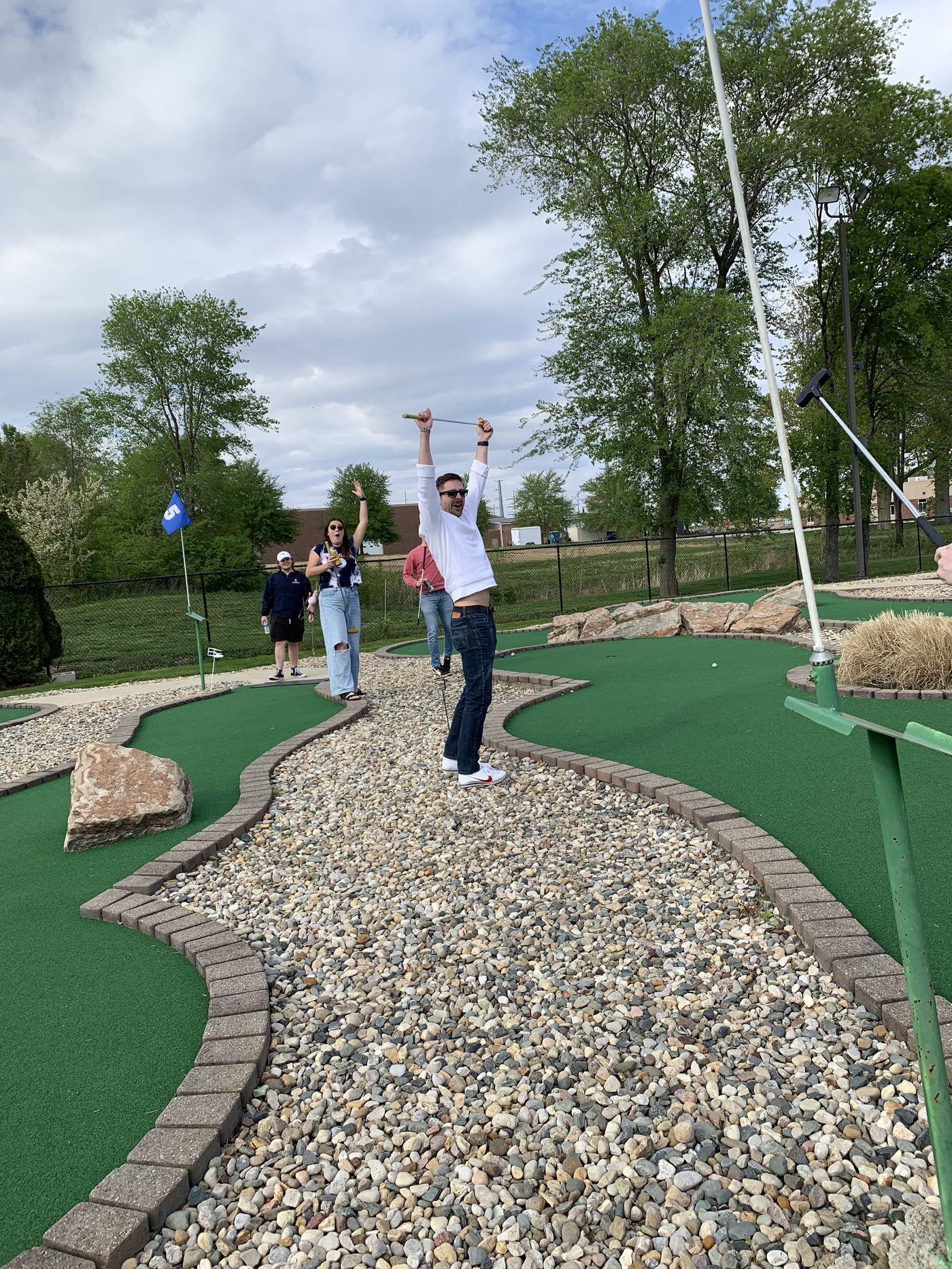
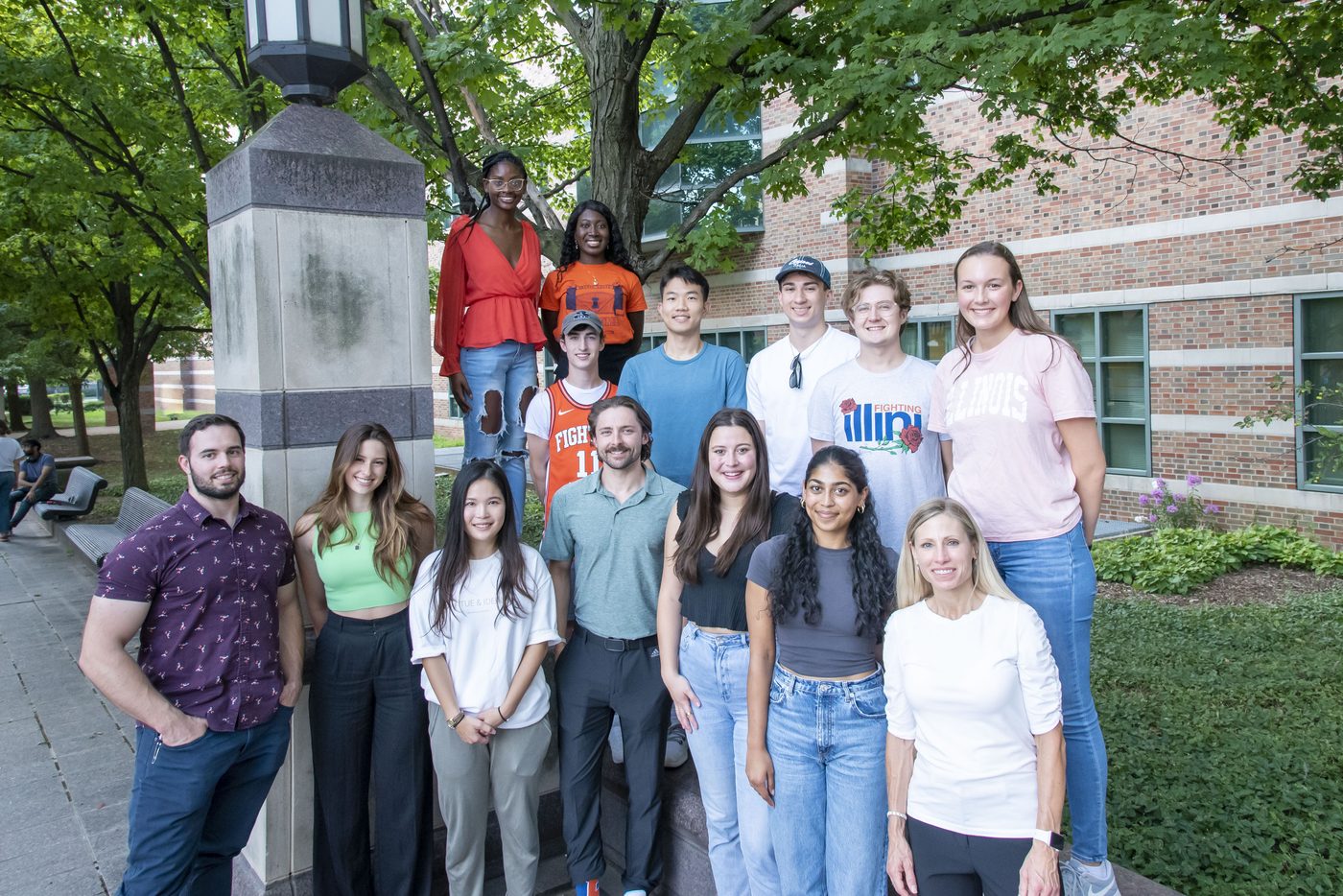
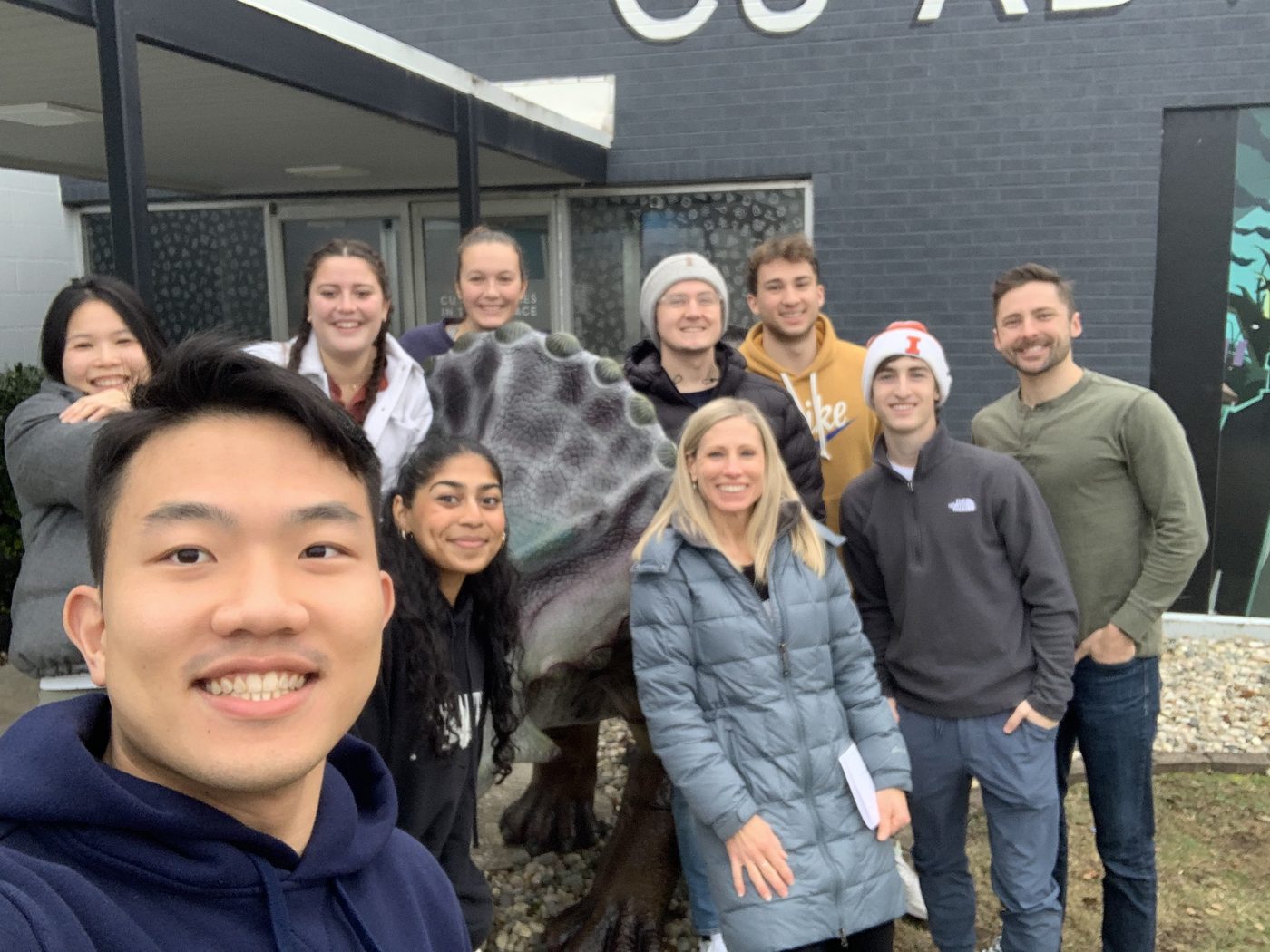
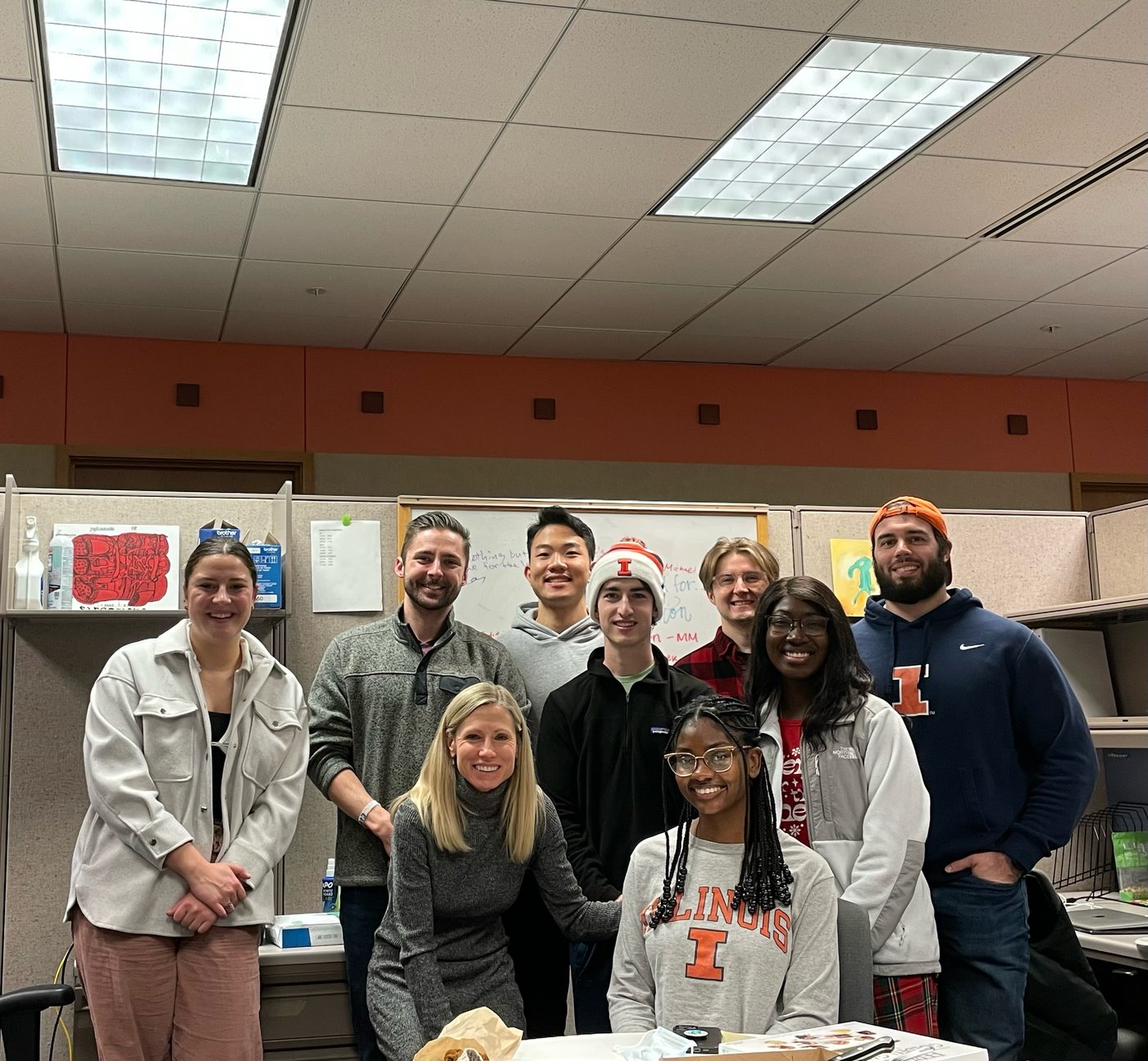
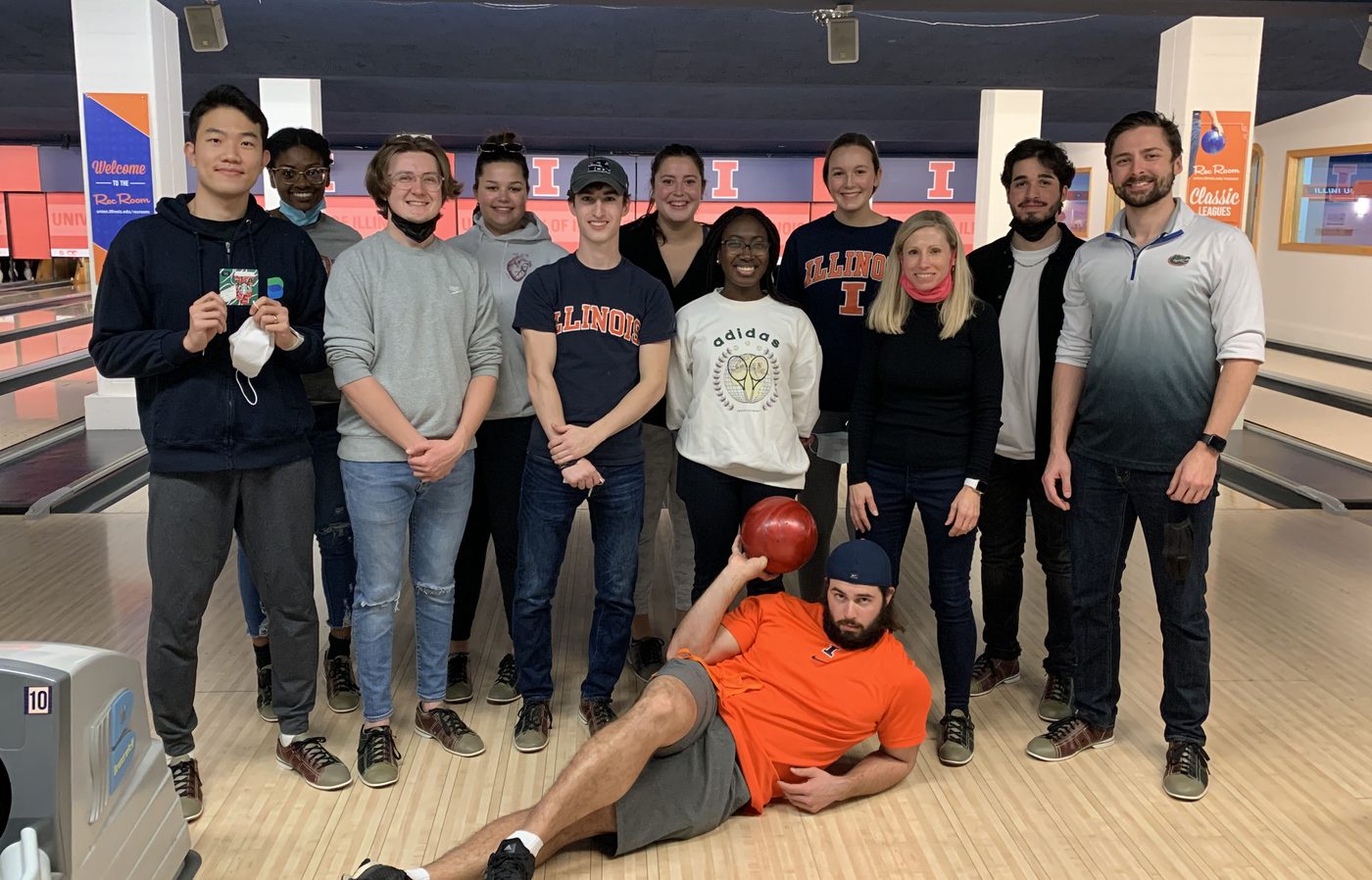
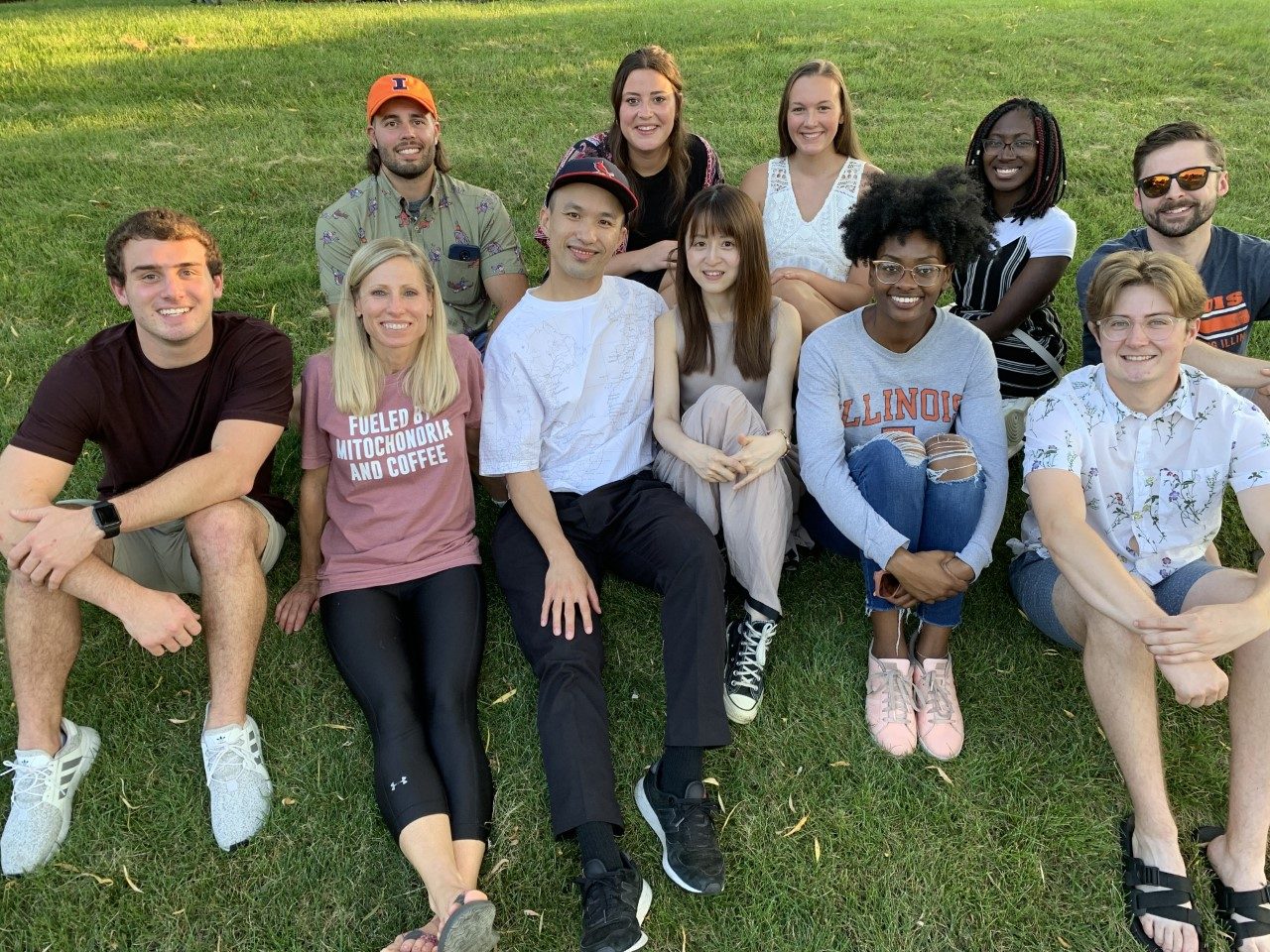
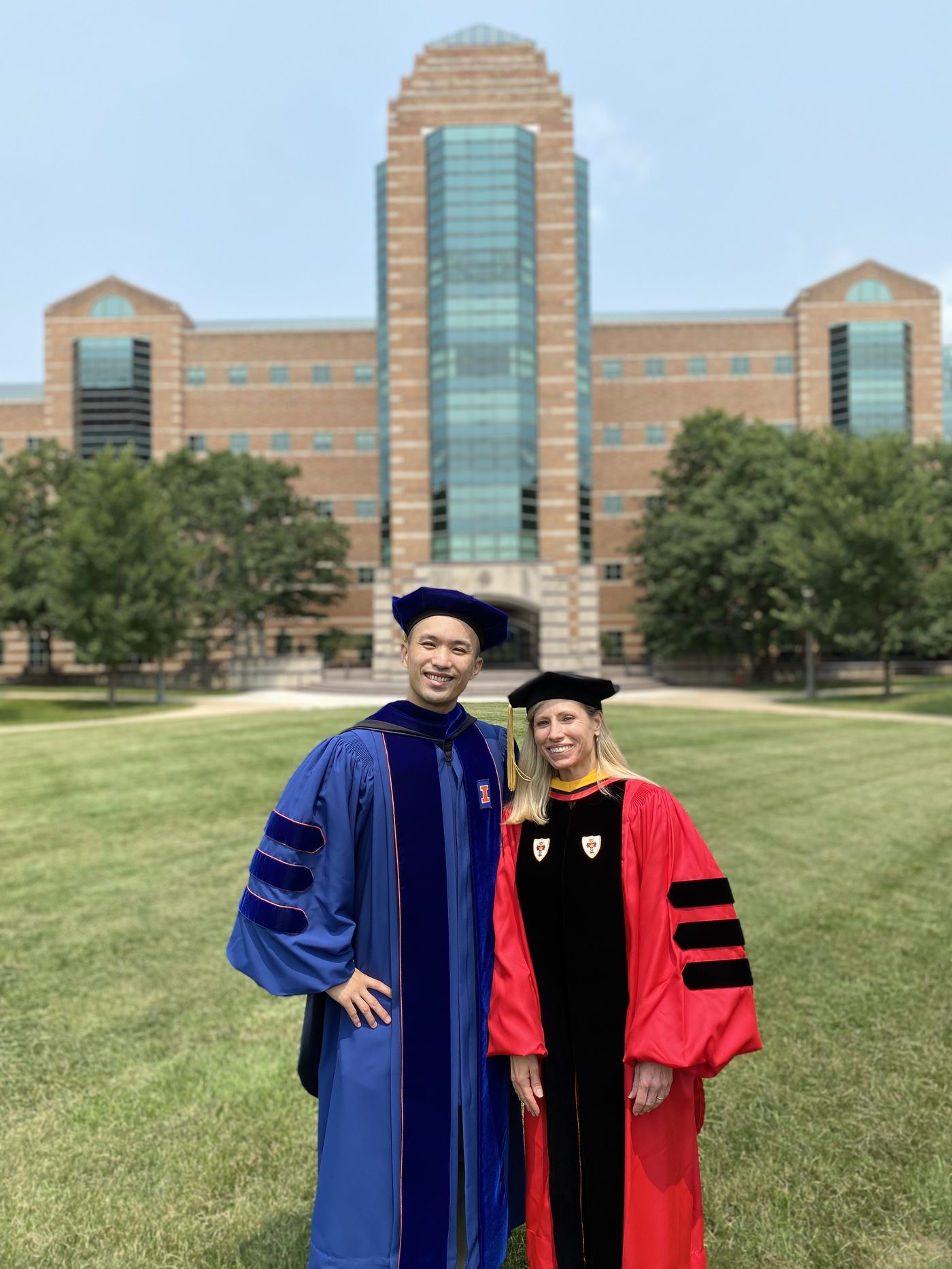
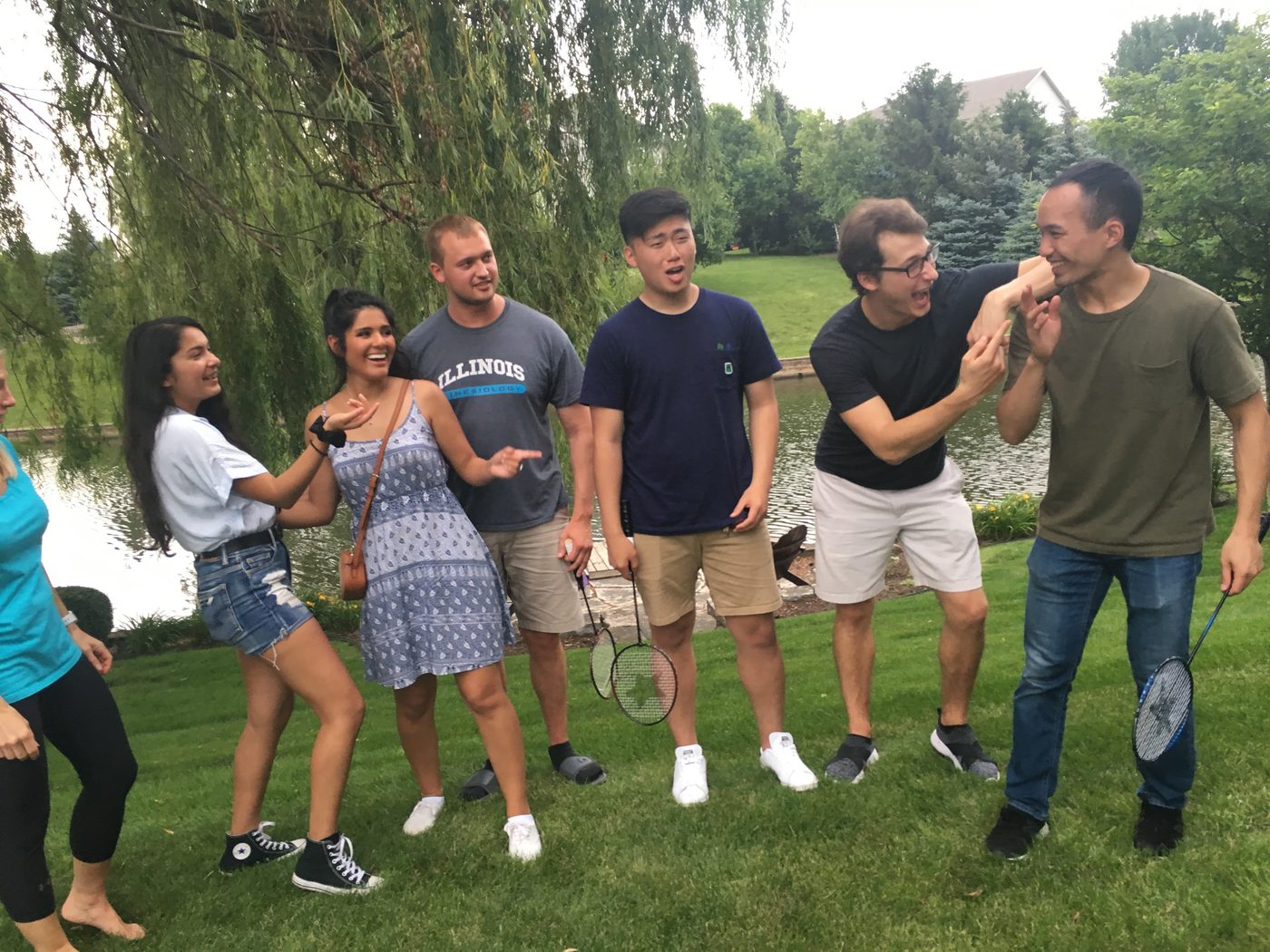
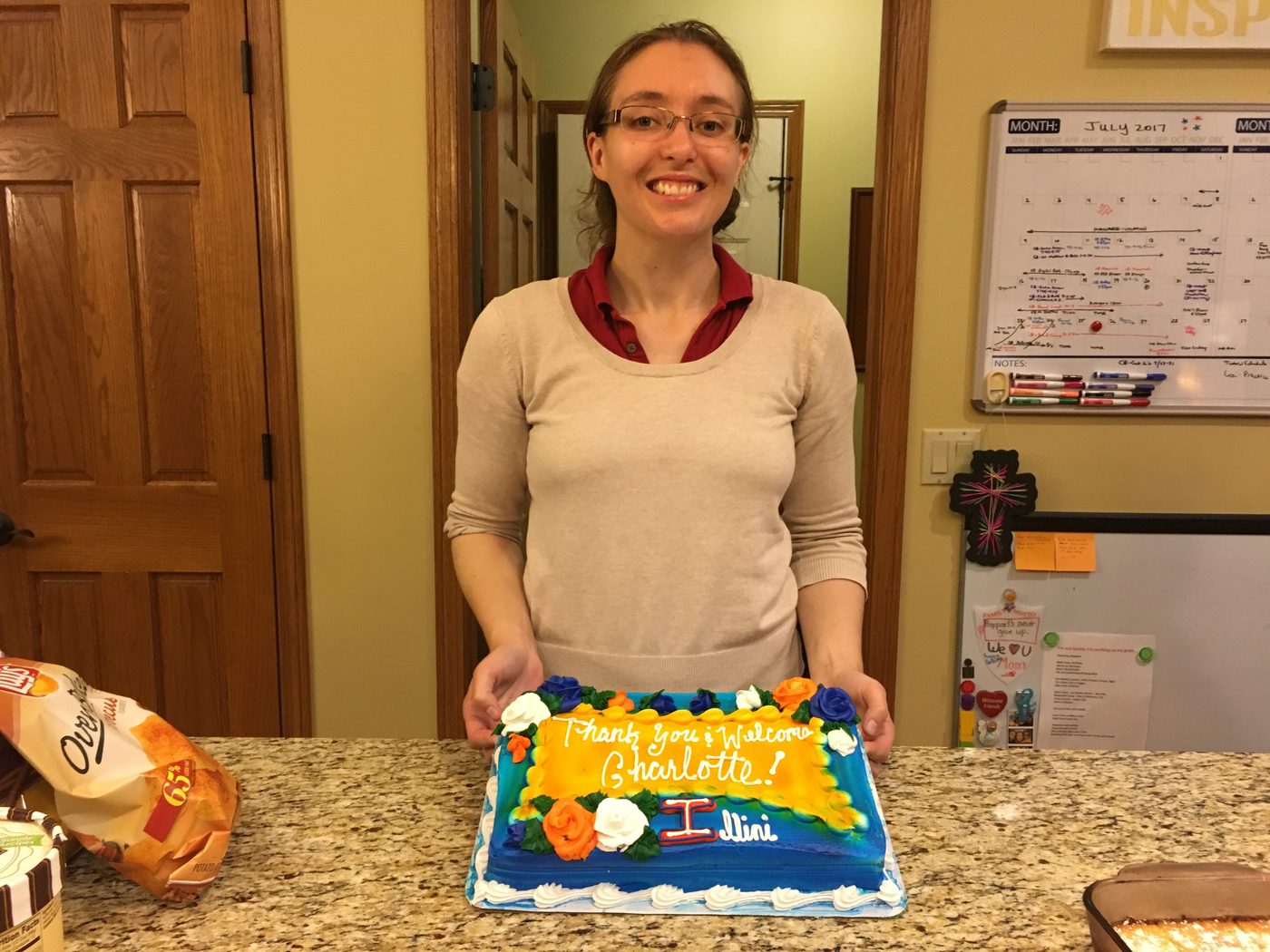
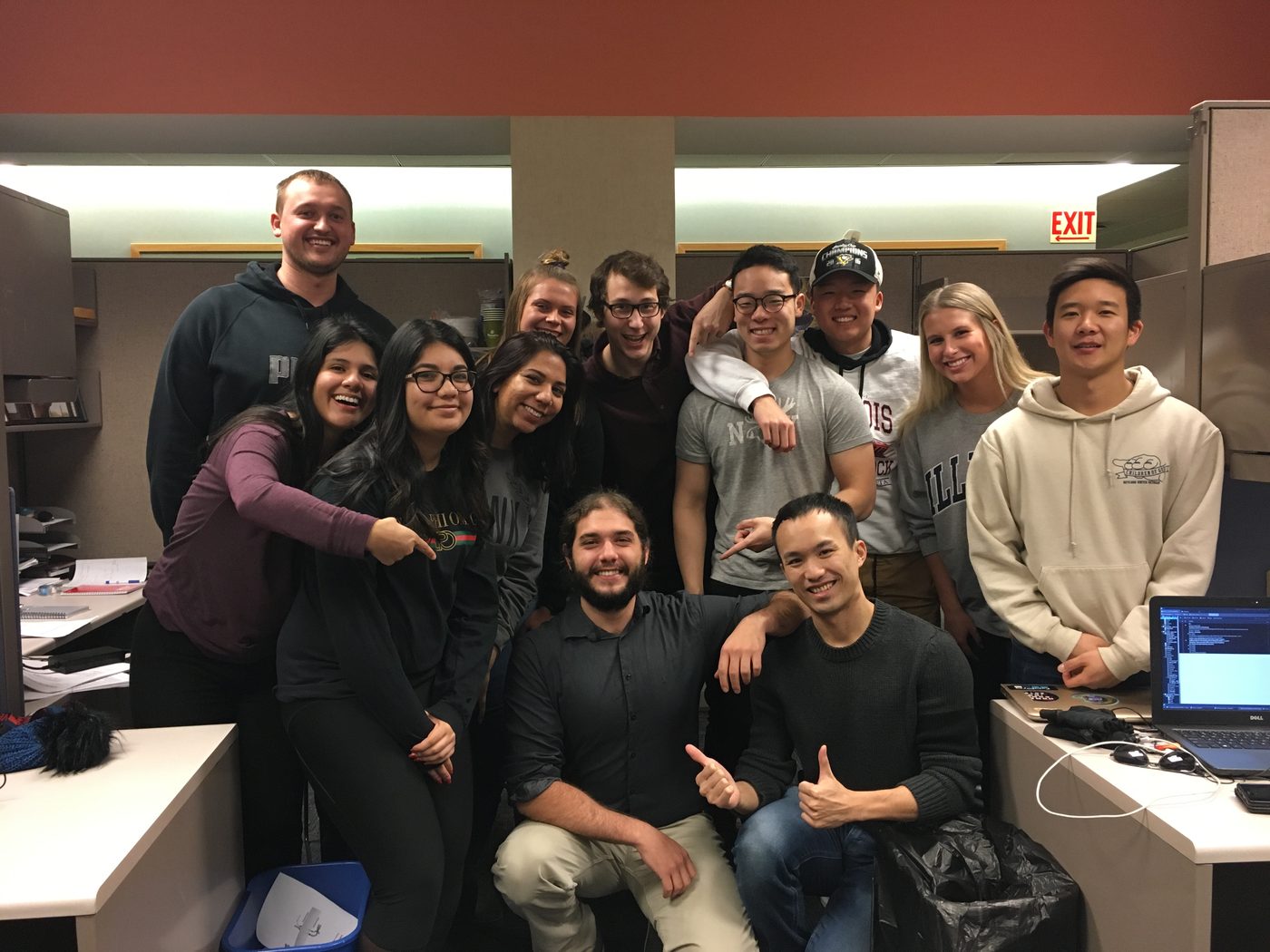
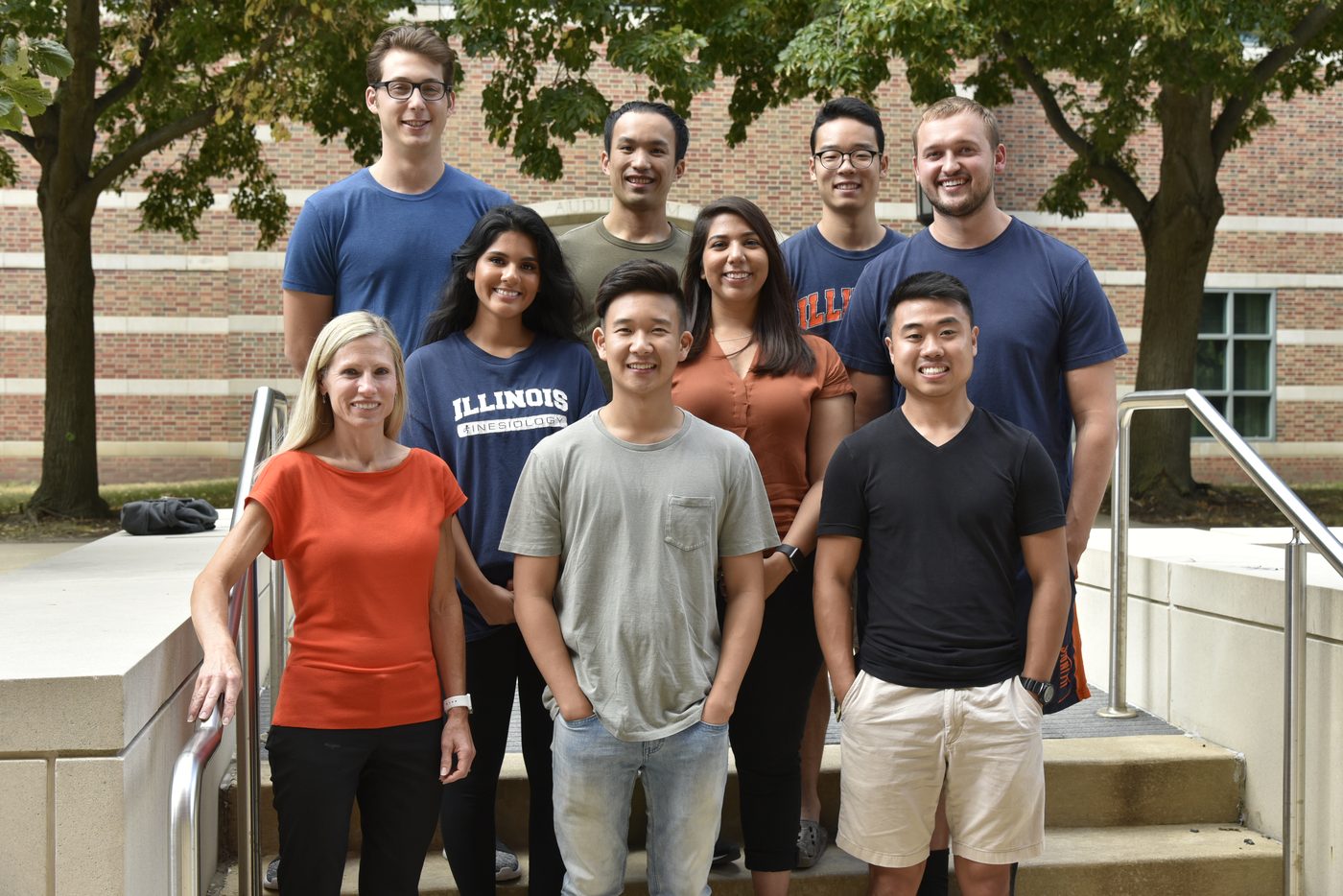
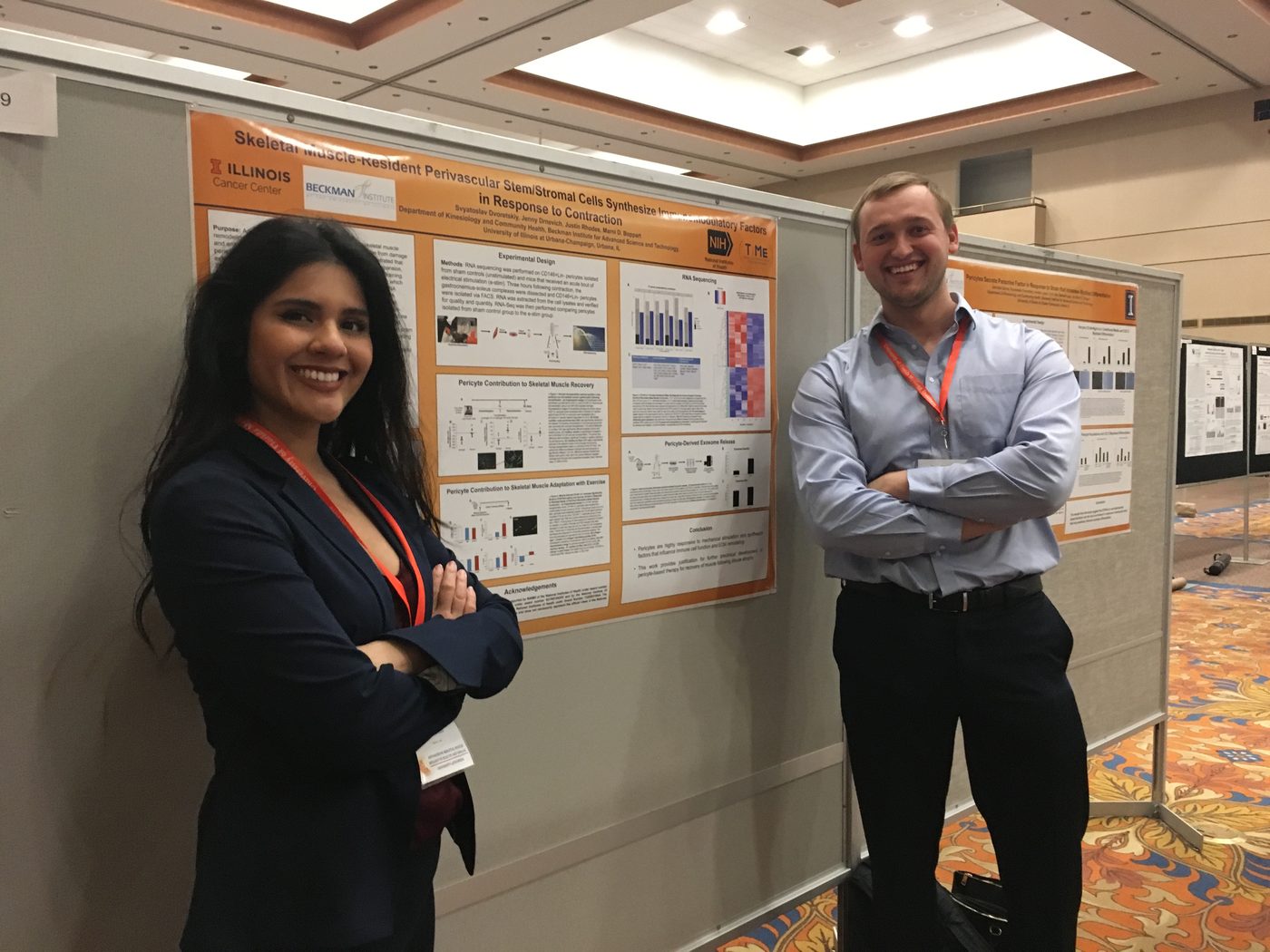
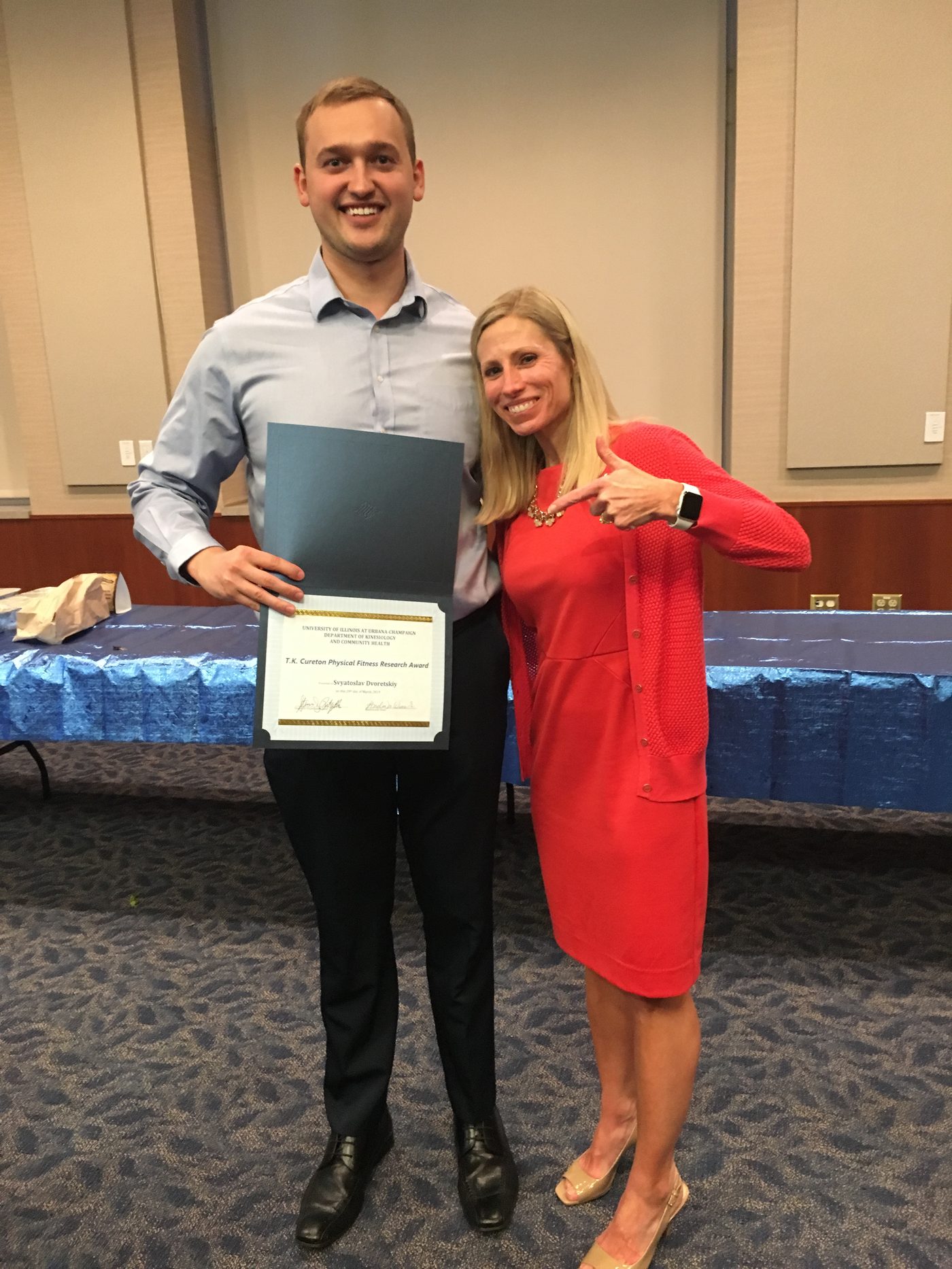
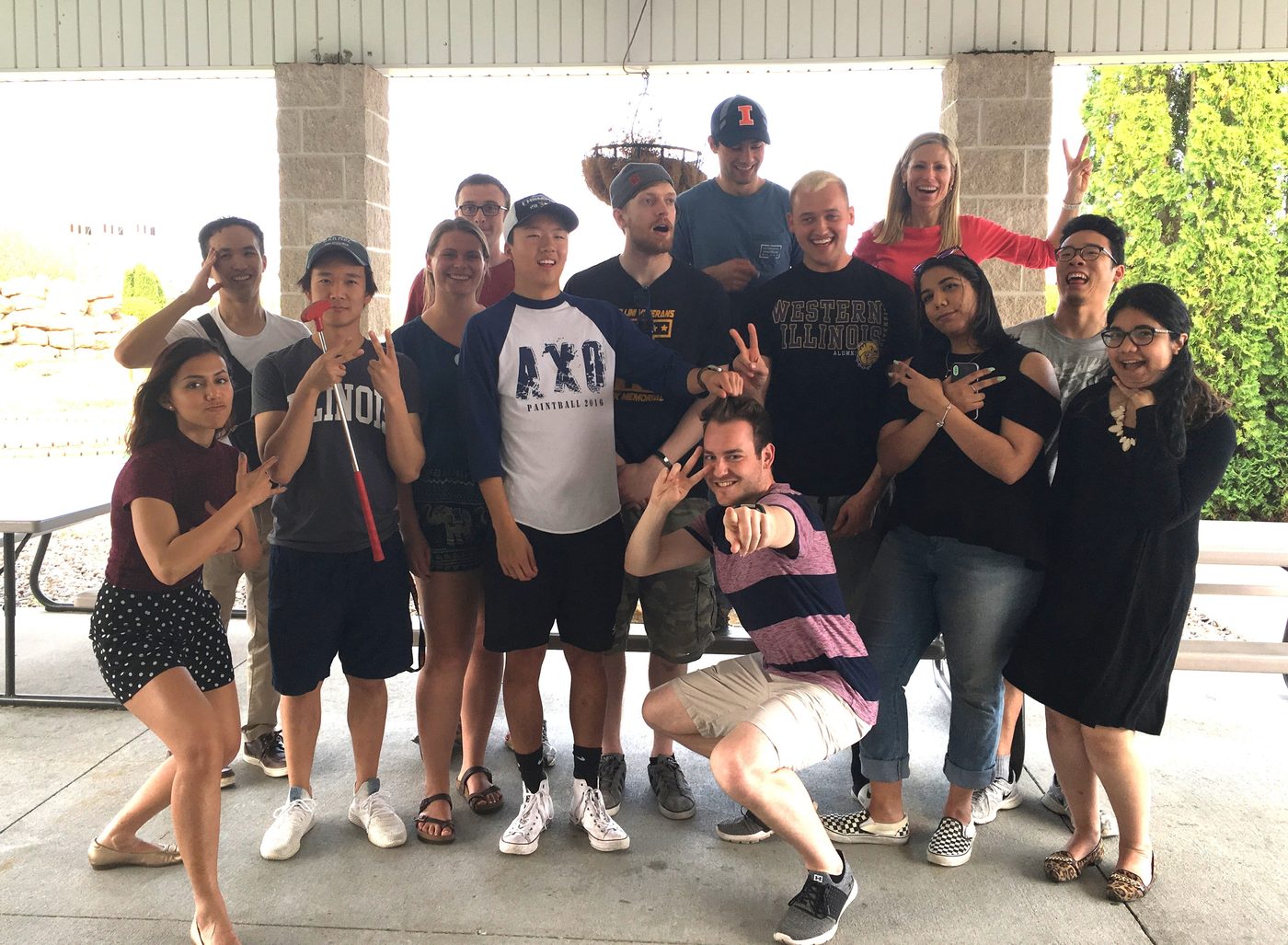
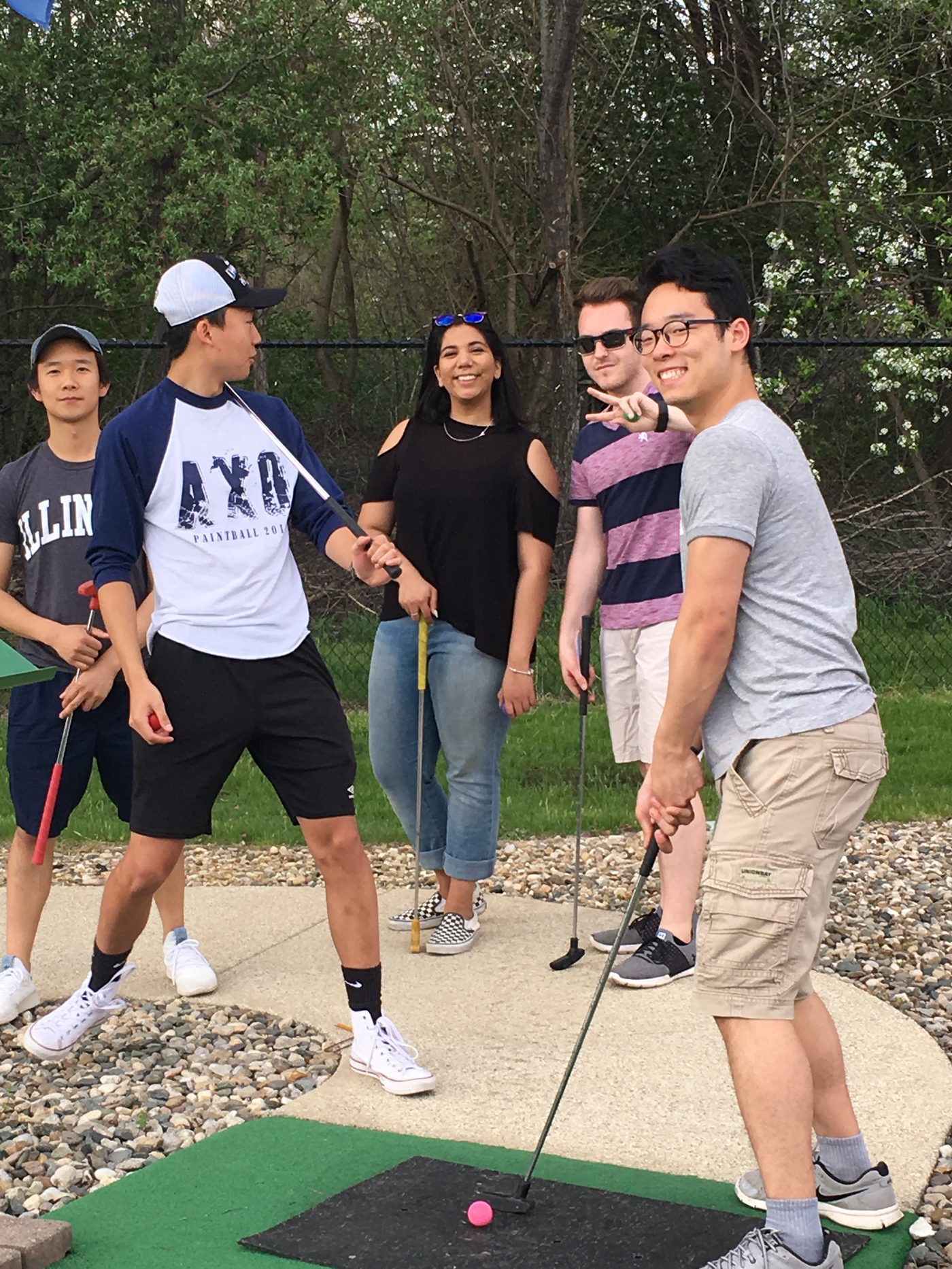
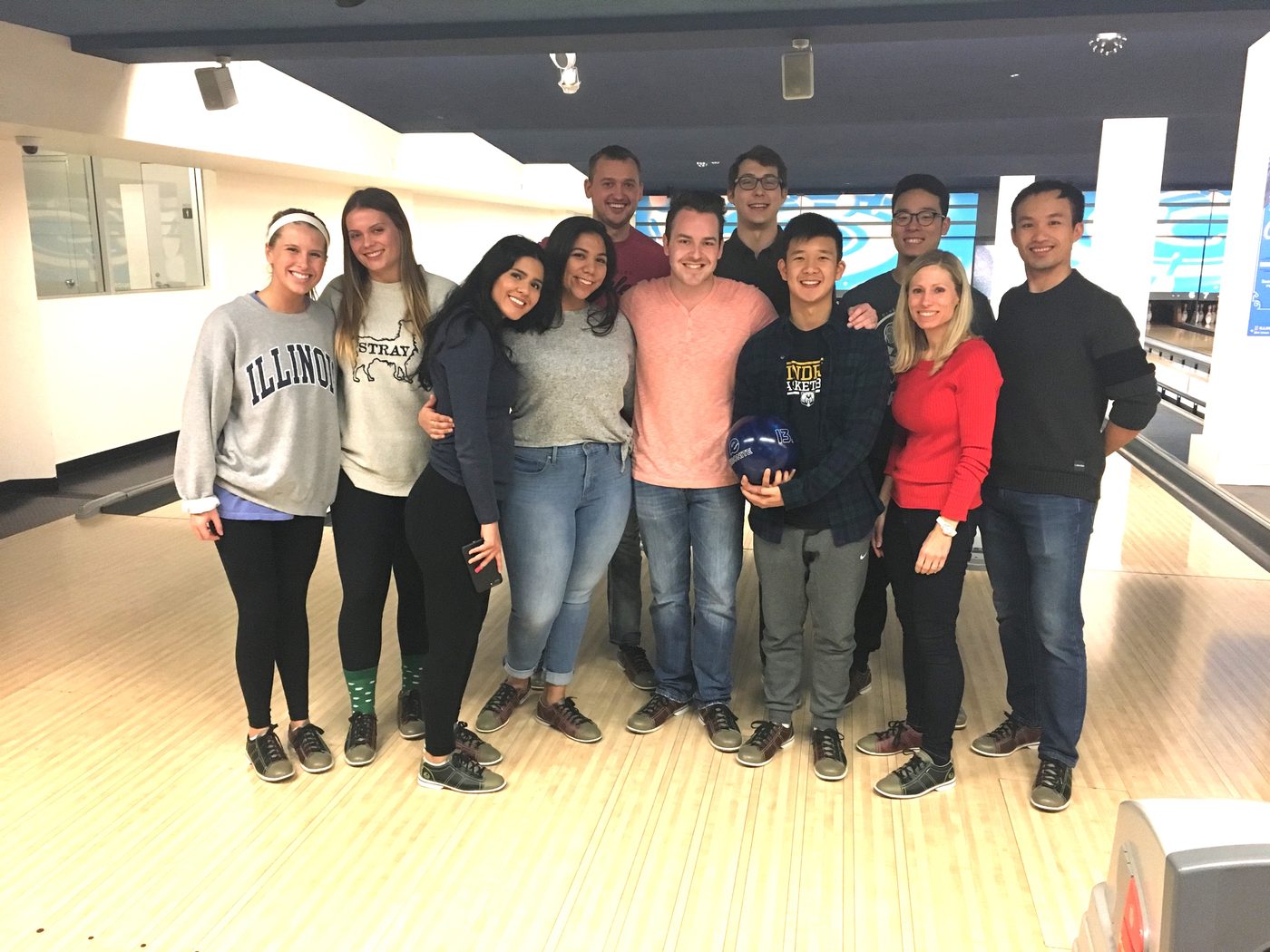
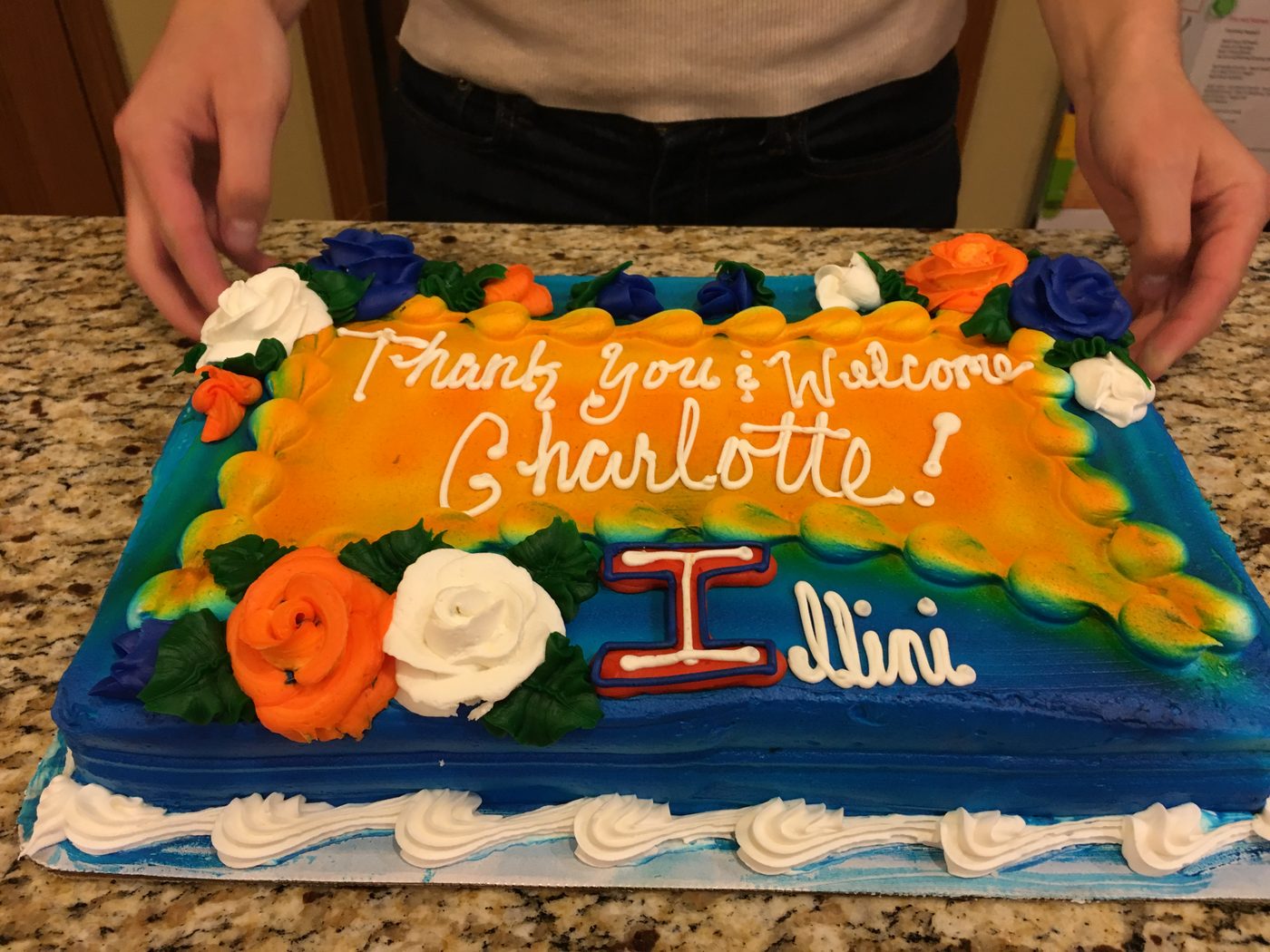
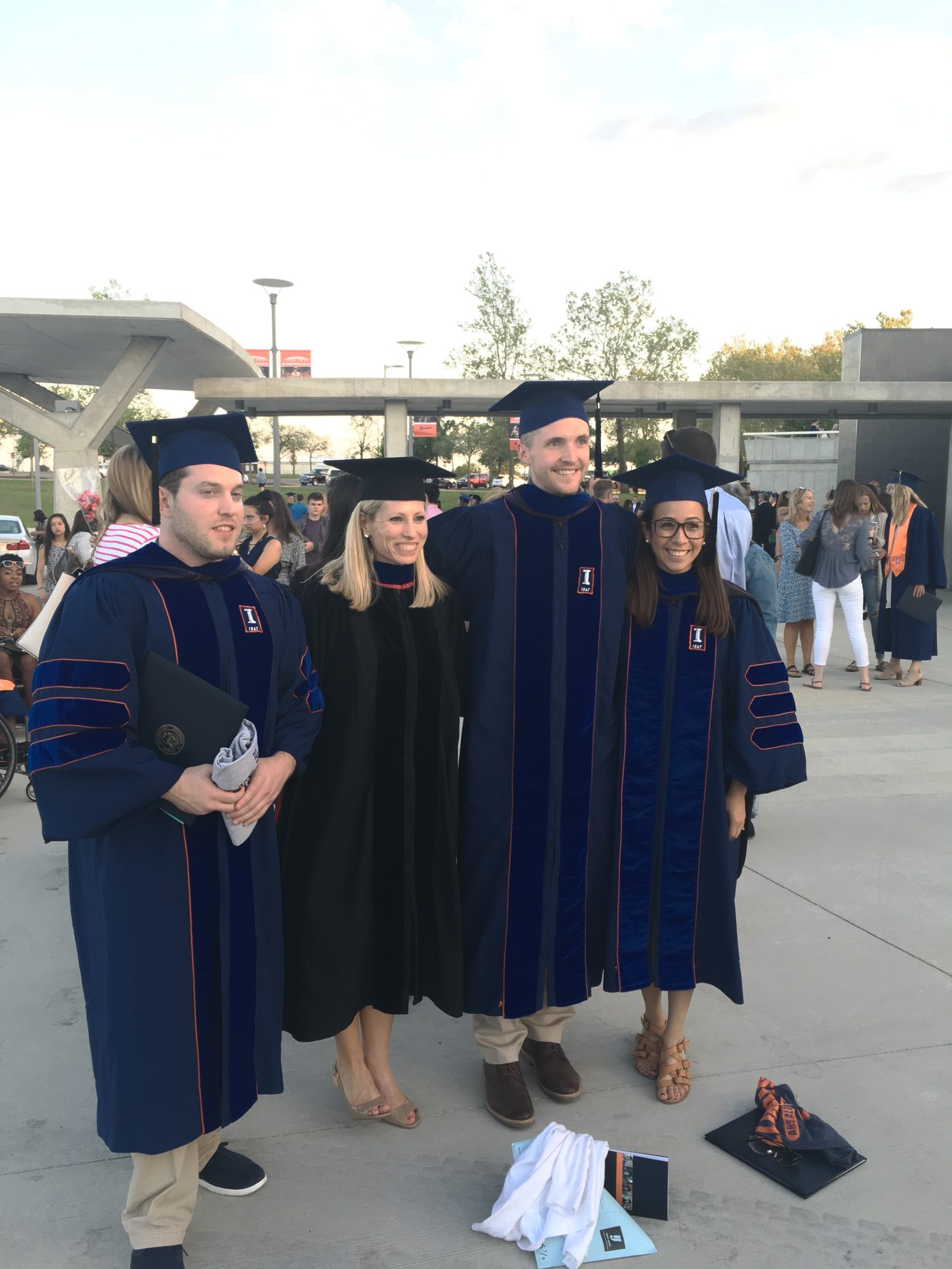
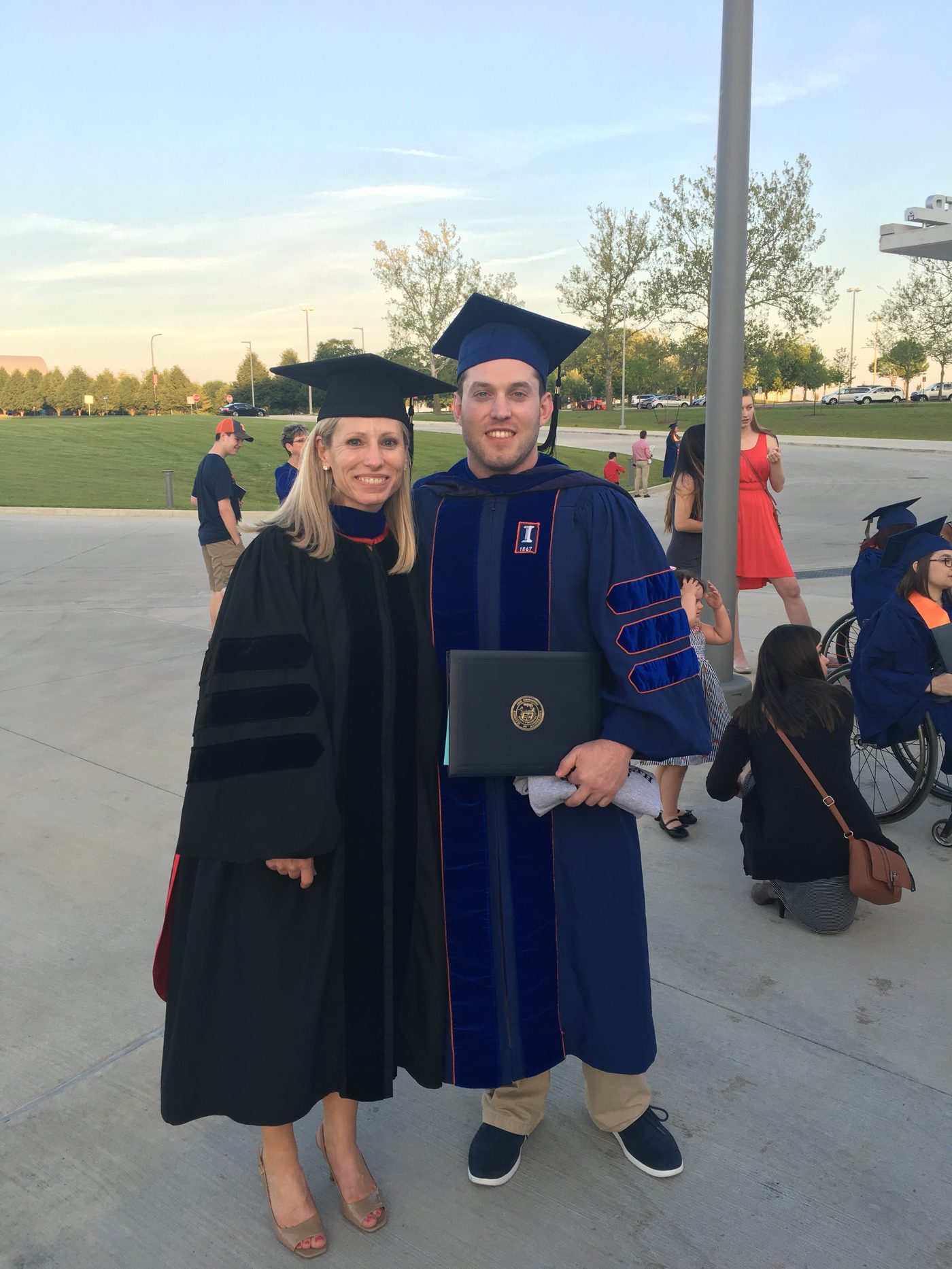
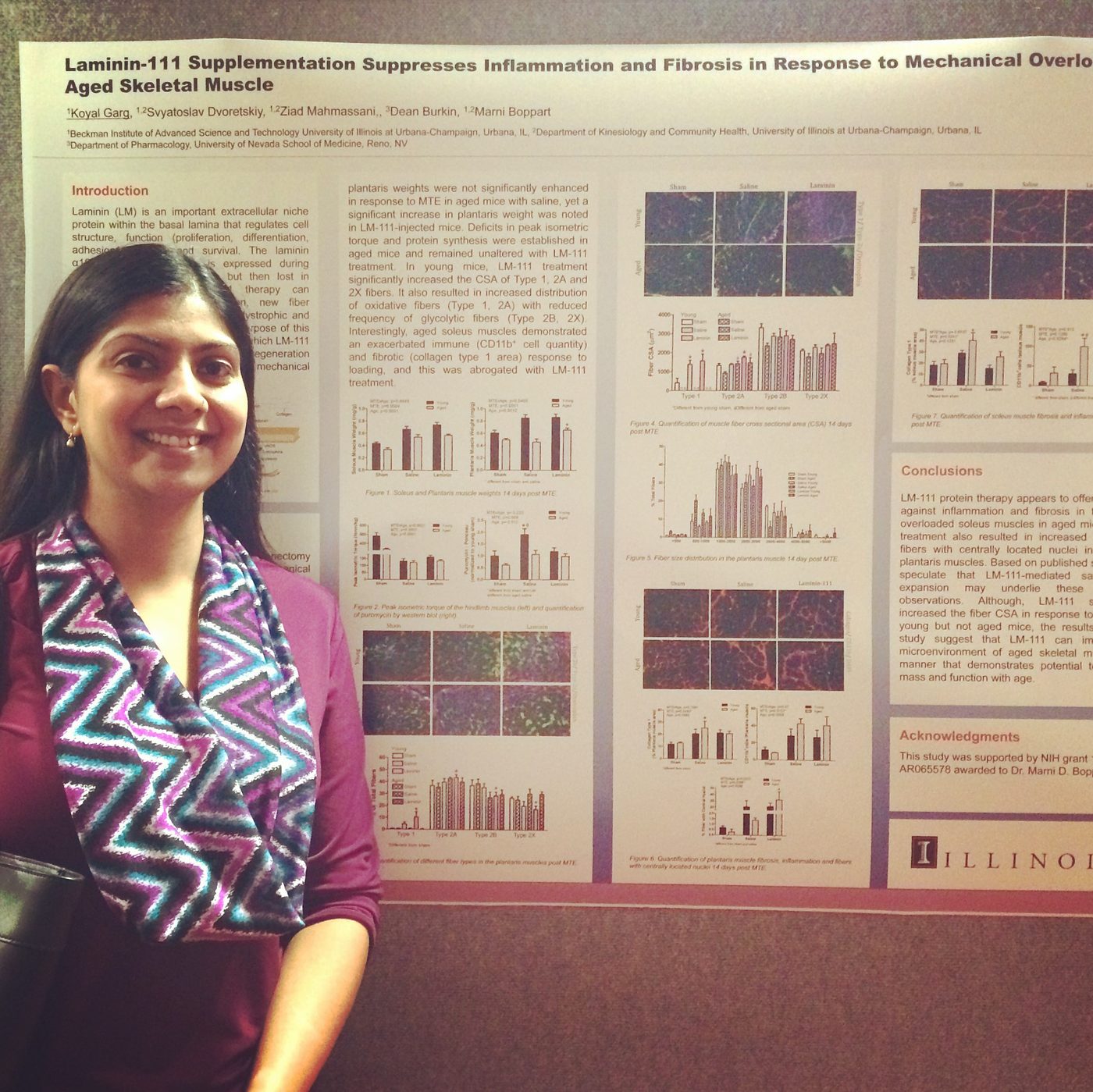
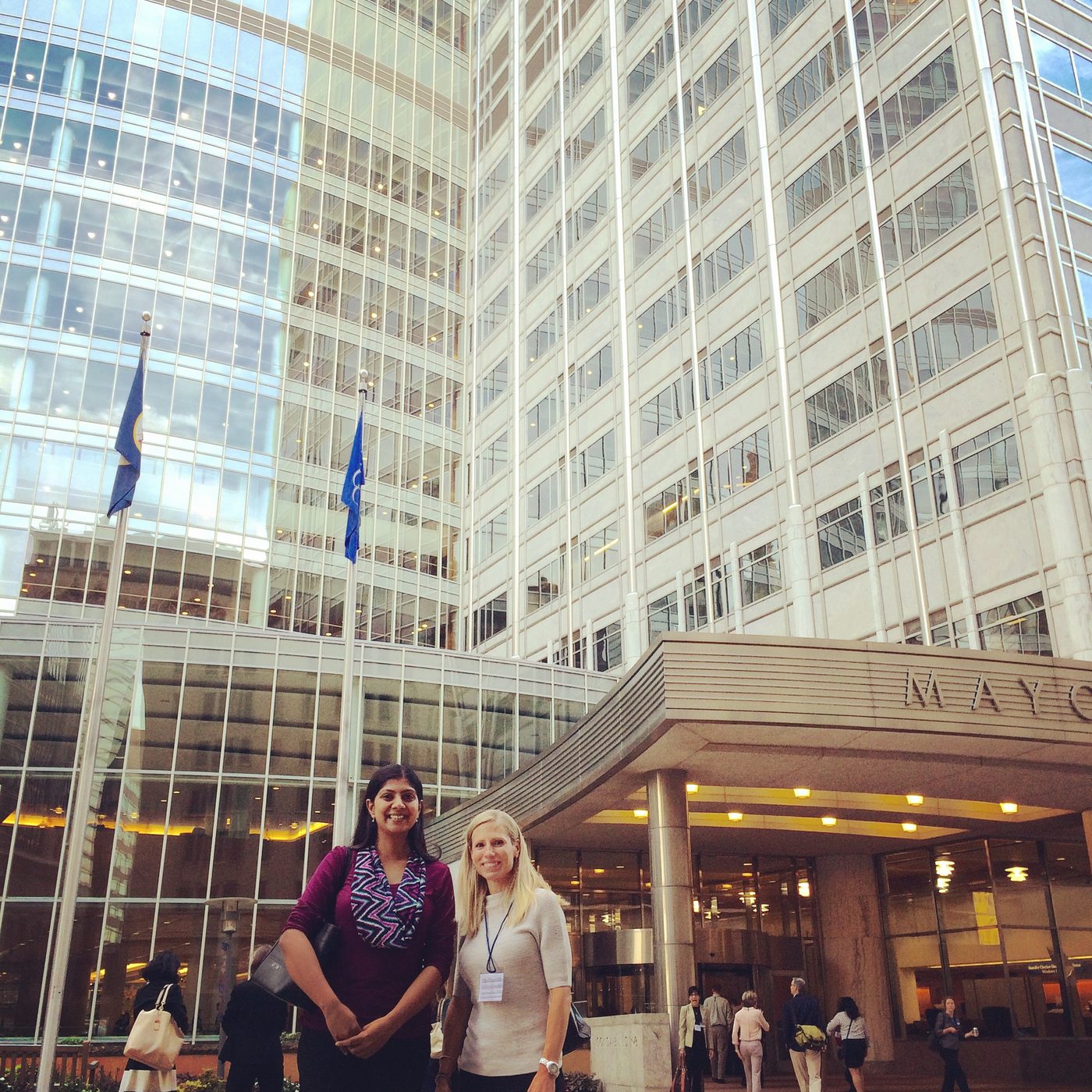
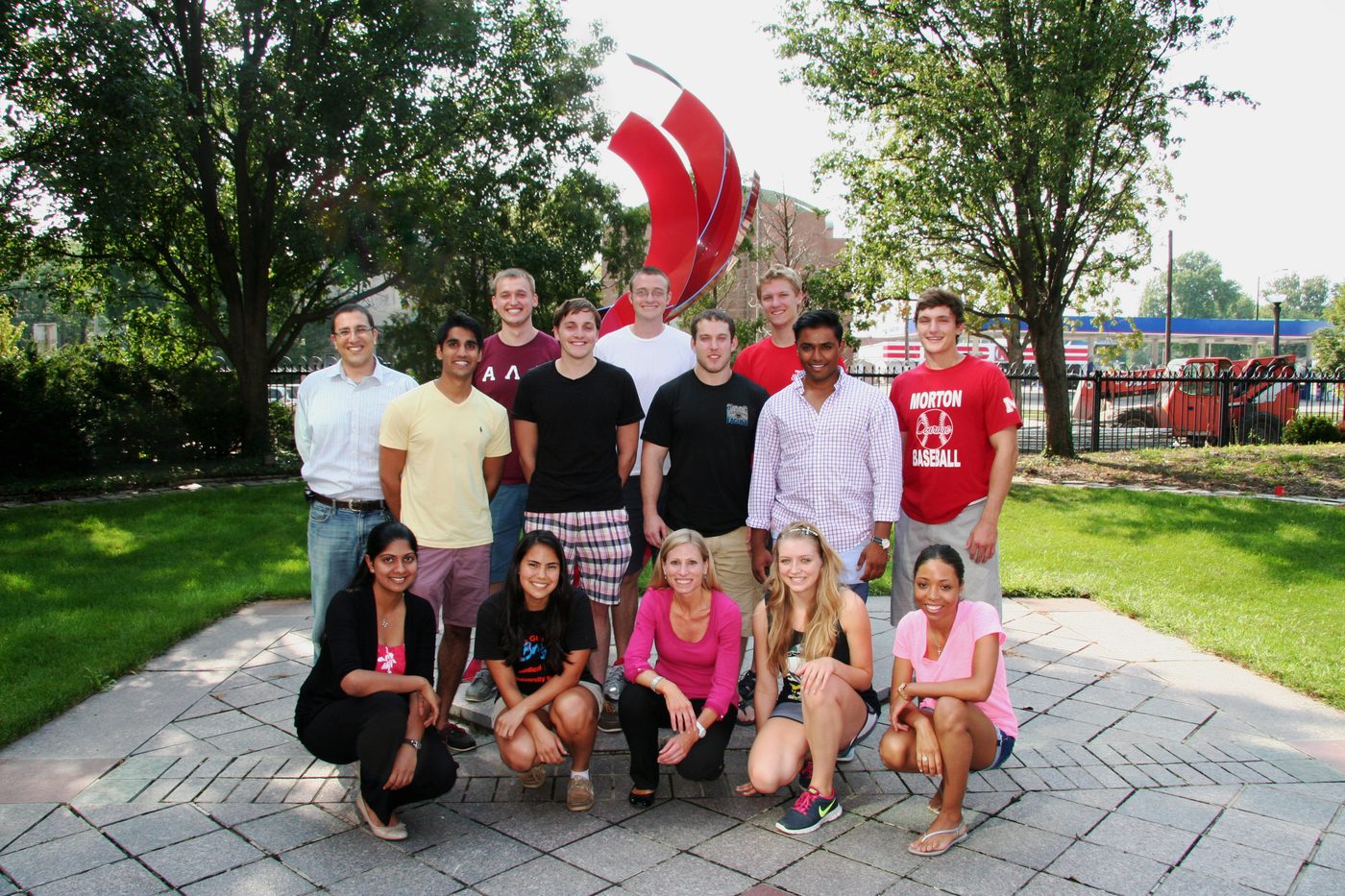
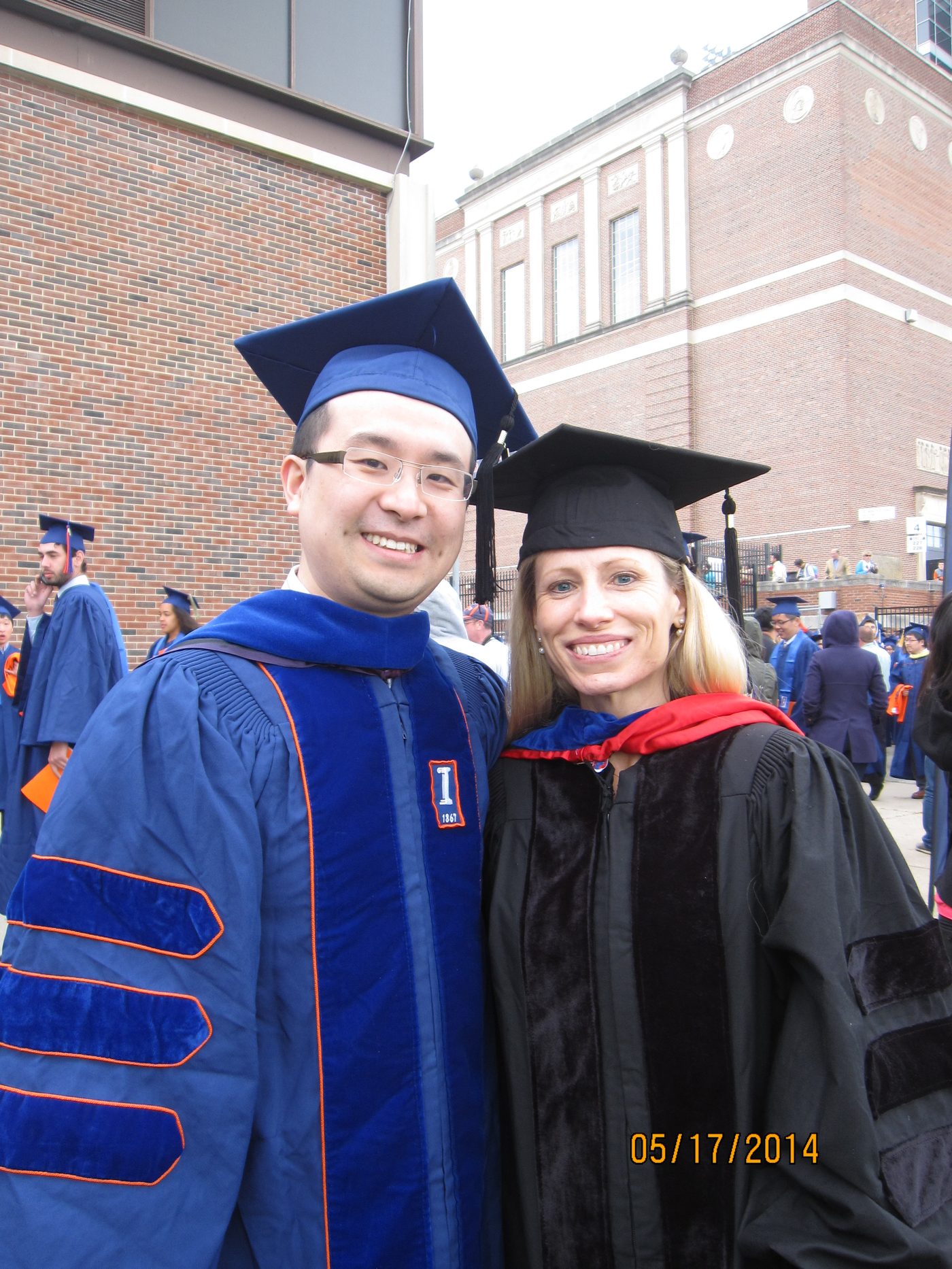
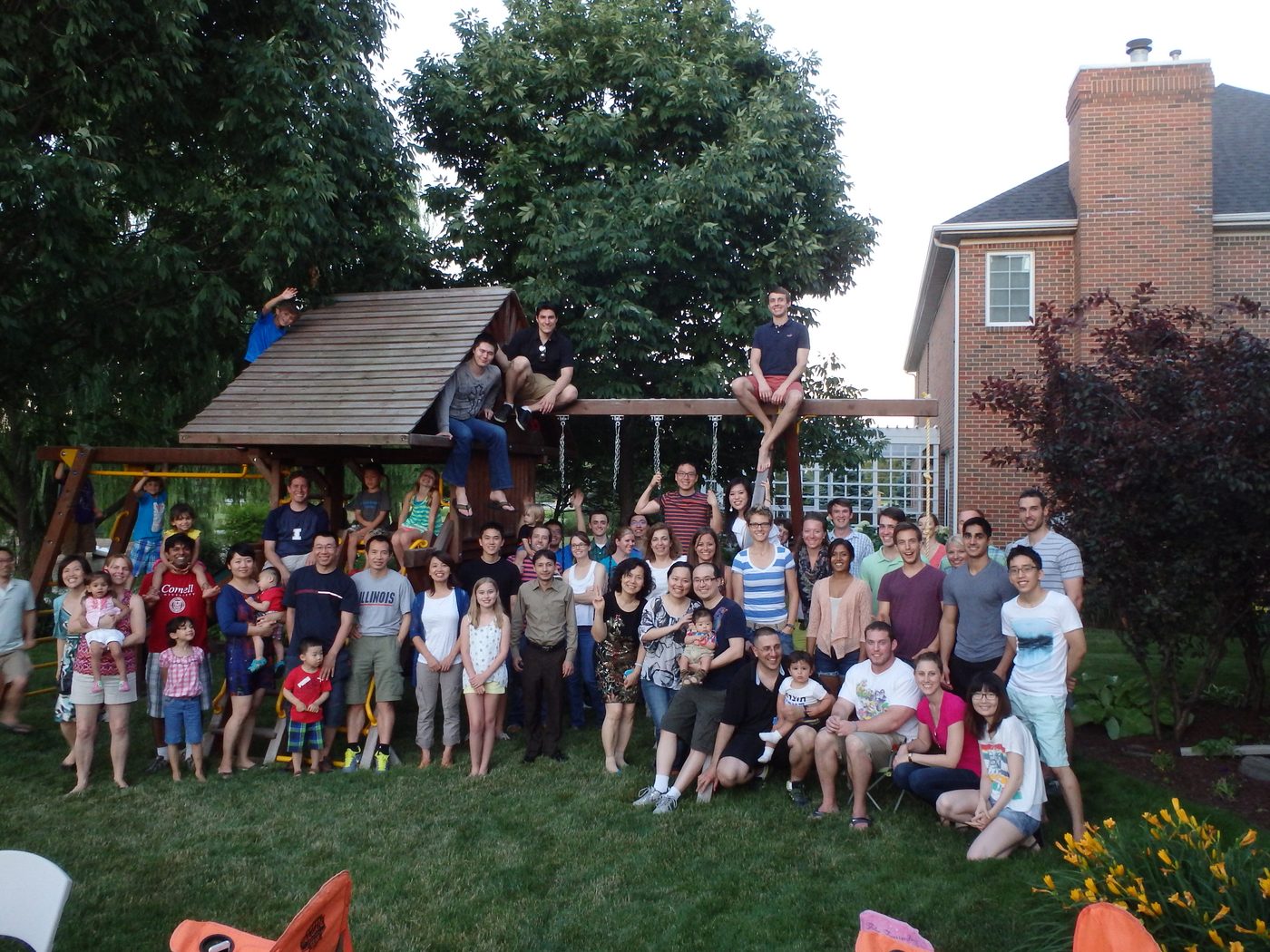
Lab outings, conferences, celebrations, and milestones through the years.
Interested in joining the lab, collaborating, or learning more about our work?
The Molecular Muscle Physiology Laboratory welcomes motivated students and researchers at all levels who are passionate about exercise biology, skeletal muscle physiology, and translational science.
We particularly encourage applications from students with backgrounds in kinesiology, cell biology, biochemistry, bioengineering, or related fields. Undergraduate researchers gain hands-on experience with cell culture, mouse models, molecular biology techniques, and data analysis.
Contact Prof. Boppart →